
NANA Male Facial Contouring
Through personalized surgical planning, we aim to create smooth, natural-looking facial contours for a sharper yet softer, more balanced appearance.
Male Facial ContouringMale Facial Contouring Surgery
With a personalized design, we create a natural, smooth facial line for a sharper yet softer impression.
What is Male Facial Contouring at NANA Plastic Surgery?
Men and women have distinct facial characteristics, including differences in bone structure, skin thickness, and the shape of the eyes and nose. These anatomical differences must be carefully considered when planning facial contouring surgery to achieve balanced, natural-looking results.
At NANA Plastic Surgery, we take each patient's unique facial structure and proportions into account when creating a personalized surgical plan. By refining prominent cheekbones and a square jawline, we aim to create a smoother, more defined facial contour while preserving masculine features. Our goal is to achieve a sharper yet softer appearance that complements each patient's natural facial harmony.

When Male Facial Contouring is Needed at NANA Plastic Surgery
Idol facial contouring is carefully planned based on a comprehensive analysis of each patient’s unique facial features, bone structure, and overall facial proportions.
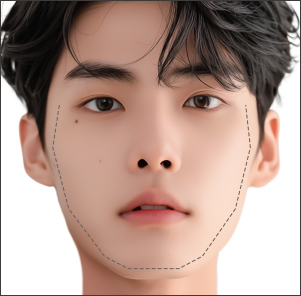
01
When an uneven facial line gives a rough impression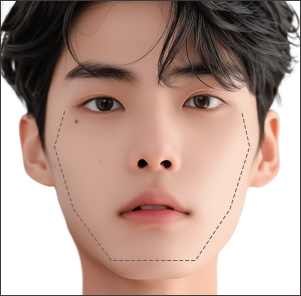
02
When prominent cheekbones and a square jawline make the face appear wider and larger.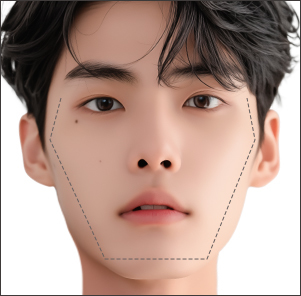
03
When prominent cheekbones make the surrounding facial areas appear sunken from the side profile.



NANA Plastic Surgery's
face line that fits me perfectly
- 01.
Idol square jaw surgeryNatural-looking results are essential in facial contouring surgery. Our goal is to create subtle yet noticeable improvements that enhance facial definition while maintaining a balanced, natural appearance.
- 02.
Idol cheekbone surgeryNatural-looking results are the key to facial contouring surgery. Our goal is to achieve subtle yet noticeable improvements that enhance facial definition while maintaining a balanced, natural appearance.
- 03.
Idol chin surgeryNatural-looking results are essential in facial contouring surgery. Our goal is to create subtle yet noticeable improvements that enhance facial definition while maintaining a natural, balanced appearance.
Be sure to check the pre and post-operative CT!
At NANA Plastic Surgery, patients can review their postoperative CT scans to see and assess changes in their facial bone structure following facial contouring surgery.
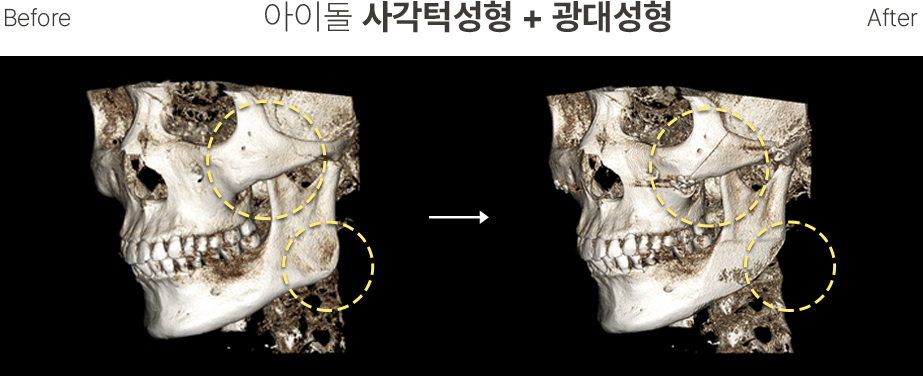
Male Facial Contouring – Postoperative CT Scan 1
By comparing preoperative and postoperative CT scans, patients can clearly see and assess changes in their facial bone structure following facial contouring surgery.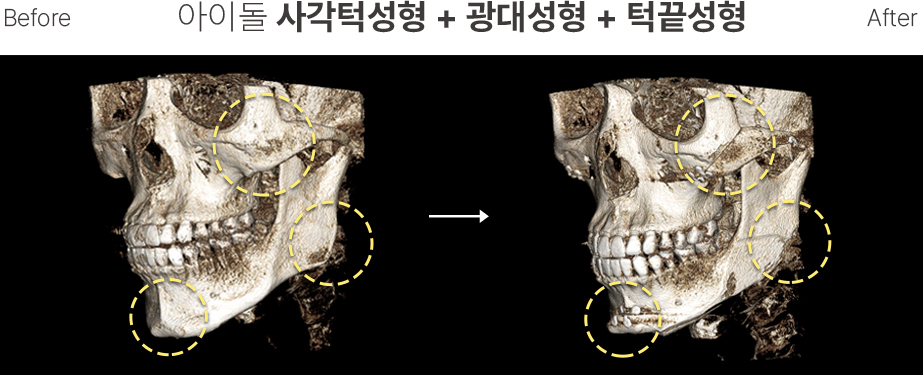
Male Facial Contouring – Postoperative CT Scan 2
By comparing preoperative and postoperative CT scans, patients can clearly see and evaluate changes in their facial bone structure following facial contouring surgery.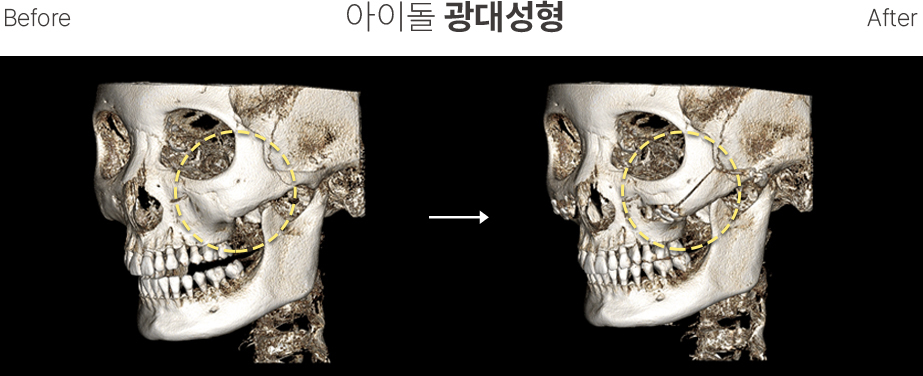
Male Facial Contouring – Postoperative CT Scan 3
By comparing preoperative and postoperative CT scans, patients can clearly see and assess changes in their facial bone structure following facial contouring surgery.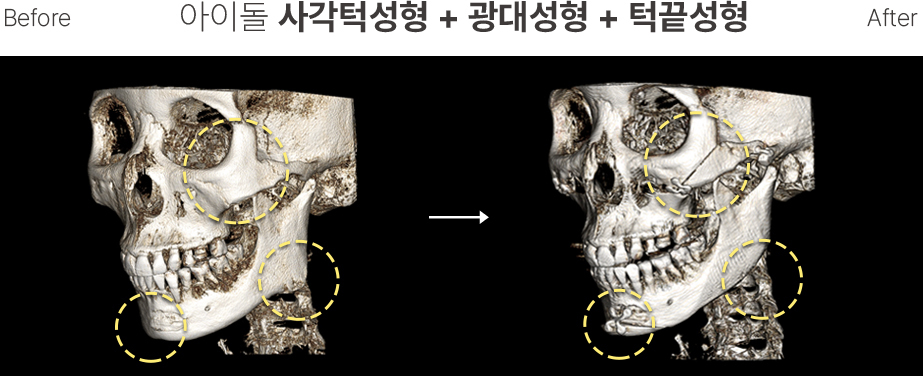
Male Facial Contouring – Postoperative CT Scan 4
By comparing preoperative and postoperative CT scans, patients can clearly see and evaluate changes in their facial bone structure following facial contouring surgery.
NANA Plastic Surgery's Trusted Facial Contouring Expertise
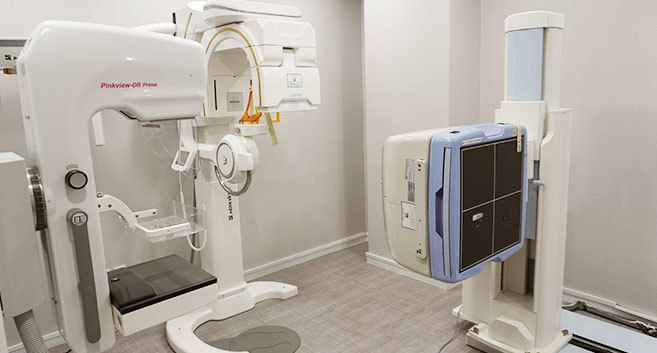
Precise Preoperative Analysis with 3D CT Scans
Before surgery, we use advanced 3D CT imaging to carefully analyze each patient’s unique facial bone structure, bone shape, and the position of important anatomical structures, including nerves. This allows us to examine details that may not be visible to the naked eye and develop a personalized surgical plan that takes each patient’s facial anatomy into consideration.
Comprehensive Pre-operative Examination System
At NANA Plastic Surgery, we prioritize patient safety through comprehensive preoperative examinations using advanced medical equipment. Our screening process includes approximately 50 medical tests to assess each patient's overall health and identify potential risks before surgery.
Based on these findings, our medical team carefully evaluates each patient's health condition and develops a personalized surgical plan tailored to their individual needs, supporting safer surgical planning and more satisfying outcomes.

Collaborative system of specialists in each field
Specialists in each field, with expertise honed over many years of plastic surgery experience, collaborate throughout the entire surgical process for safe and highly satisfying results. A dedicated facial contouring surgical team with extensive clinical experience takes responsibility for our patients' safety and beauty.
On-Site Board-Certified Anesthesiologist
Each patient’s condition is continuously monitored in real time using advanced monitoring equipment. A board-certified anesthesiologist provides dedicated, one-on-one anesthesia care, overseeing patient safety throughout the entire process, from preoperative preparation to postoperative recovery.

Facial Contouring Recovery & Aftercare
At NANA Plastic Surgery, we offer a comprehensive postoperative recovery program designed to support healing and enhance patient comfort following facial contouring surgery. Our personalized swelling management and recovery treatments help reduce swelling, promote healing, and support a smoother, more comfortable recovery.
NANA's guide to
precautions after facial contouring surgery
01
Washing, showering & makeup
Until your stitches are removed, gently clean the areas around the surgical site with a damp washcloth, avoiding direct contact with the incision.Until the facial tape or stitches are removed, gently clean the areas around the surgical site with a damp washcloth, avoiding direct contact with the incision.
You may begin brushing your teeth the day after surgery.Starting the day after surgery, you may brush your teeth as usual, but be gentle and use a small, soft-bristled toothbrush.
If your surgery involved incisions inside the mouth, rinse with the prescribed Hexamedine solution, diluted using 7 parts water and 3 parts Hexamedine. We recommend rinsing after every meal and gently rinsing your mouth every 3–4 hours.02
Recovery
Excessive pressure or direct impact to the surgical area may increase the risk of bleeding or hematoma formation.Excessive pressure, irritation, or direct impact to the surgical area may increase the risk of bleeding or hematoma formation (a collection of blood beneath the skin). Avoid activities that put pressure on your face, such as straining during vomiting or bowel movements, forceful coughing or sneezing, and bending your head forward.
03
Swelling ㅊare
After surgery, swelling and bruising may gradually spread downward from the face to the neck and surrounding areas.Swelling or residual soft tissue may cause temporary facial asymmetry after surgery. This uneven appearance typically improves as swelling gradually subsides and the tissues heal.
Use cold and warm compresses at the recommended times after surgery to help manage swelling and bruising.Cold compresses are recommended for the first 3 days after surgery to help reduce swelling and minimize the risk of bleeding. Starting on day 4, warm compresses may help improve circulation and gradually reduce swelling and bruising.
Because facial sensation may be temporarily reduced after surgery, use caution when applying cold or warm compresses to avoid frostbite or burns.04
Diet
Day after surgery – 1 week after surgeryStarting the day after surgery, eat soft, porridge-like foods for one week and avoid using straws during this period.
1–4 weeks after surgery (6 weeks for cheekbone surgery)From 1 to 4 weeks after surgery, you may gradually return to a regular diet, but choose soft, easy-to-chew foods. Avoid hard, tough, or chewy foods that may put excessive pressure on your jaw.
Foods to Avoid:
- Tough meats (finely minced meat is acceptable)
- Cubed radish kimchi (kkakdugi)
- Large or tough pieces of kimchi and vegetables (cut into small, manageable pieces)
- Squid and dried fish
- Korean rice cakes (tteok)
- Chewing gum and hard candy
- Nuts and other hard or crunchy foods05
How to Wear Your Facial Band
Please wear it for 3 days after surgery.Wear it for 3 days after surgery; you do not need to fasten the band too tightly or wear it 24 hours a day.
From day 4 through the first week after surgery, do not wear the facial compression band. Leave the area uncovered. From 1 week to 1 month after surgery, wear the facial compression band intermittently, as directed by your surgeon.Wearing the band intermittently from 1 to 4 weeks after surgery helps the skin contract (especially after chin surgery), but it is not essential.
06
Additional notes for cheekbone surgery
If you have undergone cheekbone surgery, please carefully follow the postoperative care instructions below.Avoid blowing your nose or opening your mouth too wide (more than three fingers' width) for 6 weeks after surgery. However, continue gently opening and closing your mouth within a comfortable range to help prevent jaw stiffness and maintain mobility.
If the dressing over the incision near your sideburn becomes wet, replace it with a clean, dry dressing.