
tip rhinoplastytip rhinoplasty
At NANA Plastic Surgery, our nasal tip surgery enhances the natural beauty of your nose with a refined, harmonious contour.
for Enhanced Facial Dimension Nasal Tip Surgery
The nasal tip plays an important role in creating three-dimensional facial balance as the central point of the face. At NANA Plastic Surgery, we carefully consider various surgical techniques, including structural modification of the nasal tip cartilage, to refine the angle and shape of the nasal tip for a more balanced and natural appearance.

Defining the Profile and Shape of the Nose The Nasal Tip
Nasal tip surgery is tailored to each patient based on the shape of the nasal tip and the condition of the underlying cartilage. By selecting and applying the surgical technique best suited to the individual nasal structure, NANA Plastic Surgery aims to maintain a natural, well-defined nasal tip without unwanted drooping or changes in shape over time.


Key Features of NANA Plastic Surgery’s Nasal Tip Surgery

Ideal Proportions
By considering the ideal angle formed by the forehead and the area between the nose and upper lip, we create a natural and harmonious nasal tip.
More Defined Features
Our nasal tip surgery enhances facial dimension, helping create a more defined and balanced appearance rather than a flat or indistinct look.
Three-Dimensional Appearance from the Front
By refining and defining the nasal tip, we create a more dimensional and aesthetically balanced appearance, enhancing the nose not only in profile but also from the front.
Natural Movement
Instead of artificial implants, we use the patient’s own tissue to refine and lift a bulbous or drooping nasal tip. This approach helps maintain a natural appearance and movement of the nasal tip.



When Nasal Tip Surgery
May Be Recommended
- 01.
When the Nasal Tip Is Low, Drooping, or BulbousIf the nasal tip appears low and wide compared to the bridge, or if you have a bulbous nasal tip, NANA Plastic Surgery’s nasal tip surgery can help refine and define the tip for a more balanced appearance.
- 02.
For Those Who Prefer to Avoid ImplantsFor patients who desire a more defined, elevated nasal tip but prefer not to use implants, or who are concerned about possible allergic reactions, we use the patient’s own tissue to create a natural-looking and stable nasal tip.
- 03.
When the Nasal Tip, Columella, and Nostrils Lack HarmonyIf the nasal tip is overly upturned, excessively long and drooping, or if you desire a more defined nasal tip in proportion to the nasal bridge, nasal tip surgery can help create a more harmonious and balanced nasal appearance.
Surgery Information

Surgery Time
Approximately 1 hour
Anesthesia
Sedation anesthesia
Hospital Stay
No overnight hospitalization required
Suture Removal
5–7 days after surgery
Return to Daily Activities
Normal daily activities can be resumed after suture removal
Follow-up Visits
Approximately 2 visits
What Makes NANA Plastic Surgery’s Nasal Tip Surgery Special
We refine bulbous nasal tips to create a more defined and sophisticated appearance while maintaining natural facial harmony.

Minimized Concern About Visible Scarring
Tiny incisions made around the nostrils help minimize visible scarring and reduce concerns about postoperative marks.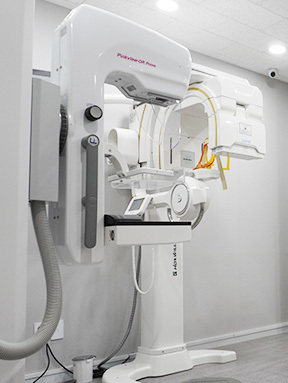
Detailed 3D-CT Imaging for a Comprehensive Assessment
Using 3D-CT imaging, we carefully assess the condition and structure of the nasal cartilage and surrounding tissues, including areas that cannot be evaluated from the outside.
Personalized 1:1 Surgical Planning for Satisfying Results
We develop an individualized surgical plan and select the most appropriate technique based on each patient’s unique features, taking the overall balance and harmony of the face into consideration.
Enhancing Facial Balance Through Nasal Tip Refinement
By carefully assessing facial proportions and subtle aesthetic ratios, we refine the nasal tip to create greater balance and harmony throughout the face.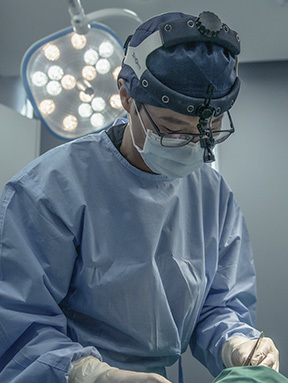
A Securely Supported Nasal Tip to Minimize Drooping
An additional layer of fixation with sutures provides enhanced structural support, helping minimize concerns about postoperative drooping or depression of the nasal tip.
NANA Plastic Surgery Answers Your Questions Q & A

Will the nasal tip always drop drop after nose surgery?
Immediately after surgery, the nasal tip may appear to drop slightly as swelling subsides during the first month. However, if the nasal tip appears noticeably lower six months or more after surgery, this may be related to insufficient internal support or individual skin characteristics.
At NANA Plastic Surgery, we carefully assess each patient’s nasal structure and skin characteristics to develop a surgical plan designed to provide stable support and minimize the risk of postoperative nasal tip drooping.
Will the nasal tip feel hard after surgery?
At NANA Plastic Surgery, nasal tip surgery is performed without artificial implants, using the patient’s own tissue to create a refined and natural-looking shape.
After surgery, the nasal tip is designed to maintain natural movement and a softer, more natural feel, with minimal foreign-body sensation. By avoiding artificial implants, the potential for foreign-body reactions and inflammation can also be reduced.
Key Points of NANA Plastic Surgery’s Nasal Tip Surgery
We design a natural and beautiful nasal tip tailored to each patient’s facial features and individual aesthetic preferences.
01
We focus on creating a refined nasal tip that blends naturally with the overall features of the face.

02
We take the natural movement and flexibility of the nasal tip into consideration to achieve a comfortable, natural-looking result.

03
Personalized Rhinoplasty

04
Comprehensive Postoperative Care

NANA Plastic Surgery’s TrustedRhinoplasty System

Personalized Rhinoplasty
At NANA Plastic Surgery, we believe every rhinoplasty procedure should be tailored to the individual. We consider each patient’s nasal structure and shape, facial harmony, and personal aesthetic preferences when creating a customized design. By minimizing perceived imperfections and enhancing each patient’s natural strengths, we strive to create the most harmonious and ideal nasal appearance.
Transparent Surgical Team & Dedicated Care System
NANA Plastic Surgery has implemented a transparent surgical team system to provide patients with accurate information about their medical team and ensure a trustworthy surgical experience. From surgical planning and comprehensive preoperative examinations to the procedure itself and postoperative follow-up, a designated medical professional provides personalized 1:1 care throughout the entire process.

Naturally Beautiful Nasal Contours
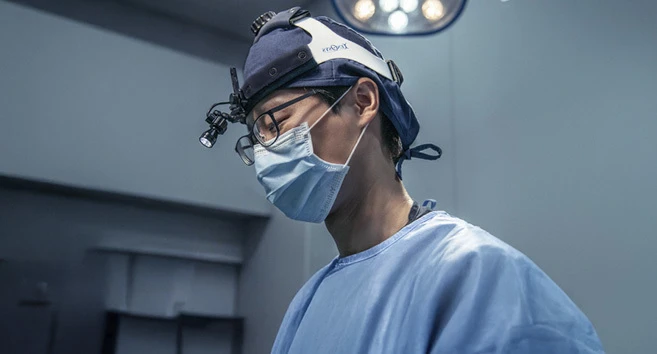
Drawing on the expertise and experience of our skilled specialists, NANA Plastic Surgery designs the nose to harmonize with the overall facial features, including the forehead, cheekbones, eyes, jawline, and lips. Our goal is to create a naturally beautiful nose that enhances the balance and proportions of the entire face.
Safe and Responsible Postoperative Care
Patient safety is our highest priority. NANA Plastic Surgery is equipped with specialized safety systems throughout and beyond the operating room, including a comprehensive anesthesia safety system and an uninterrupted power supply system.
We also operate a dedicated postoperative care and recovery center to support a comfortable recovery and help patients achieve satisfactory results through professional follow-up care.
Postoperative Care Instructions
from NANA
01
Face Washing, Showering & Makeup
Face Washing, Showering & MakeupFace washing and makeup application are permitted starting the day after the sutures on the columella are removed.
Until the nasal splint and tape are removed, gently clean areas away from the surgical site with a damp towel. After the columella sutures are removed, you may wash your face and apply makeup starting the following day.
When washing your face, avoid rubbing the nose or applying pressure to the surgical area. We recommend avoiding glasses for approximately one month after surgery. Hot tub should also be avoided for one month.02
Postoperative Recovery
Mild bleeding or nasal discharge may occur during the first 2–3 days after surgery.Please avoid blowing your nose forcefully for one month after surgery. After one month, you may gently blow your nose.
If ear cartilage is used during surgery, tenderness or changes in sensation around the ear may persist for up to six months.If ear cartilage is used during surgery, tenderness or changes in sensation around the ear may persist for up to six months.
In most cases, these symptoms gradually improve over time as the area heals. There is generally no need for concern unless symptoms persist or worsen, in which case you should consult your medical provider.03
Facial swelling
Facial swelling may persist for approximately one month after surgery.Facial swelling may persist for approximately one month after surgery.
Apply Cold and Warm Compresses at the Appropriate TimeCold compresses are recommended for the first 3 days after surgery. They may help reduce swelling and minimize bleeding.
Starting from the 4th day after surgery, warm compresses are recommended to help manage swelling and bruising more effectively.04
Wound Care
Please visit the clinic for dressing changes, splint removal, and suture removal.If nasal packing is placed inside the nose, or if gauze dressing is applied behind the ear when ear cartilage is used, please visit our treatment room 2–3 days after surgery for removal of the packing and gauze, followed by disinfection and wound care.
The nasal splint and sutures are generally removed during a follow-up visit approximately 6–7 days after surgery.Care for the Incision with the Prescribed OintmentTwice a day, in the morning and evening, gently clean the inside of the nose and the incision areas with a cotton swab moistened with sterile saline solution. Then, apply a thin layer of the prescribed ointment.
05
Alcohol & Smoking
Avoid alcohol and smoking for one month after surgery.Alcohol and smoking may adversely affect bleeding control, wound healing, and the risk of infection. Therefore, we recommend refraining from both for at least one month after surgery.
06
Sleep Posture
Maintain an Appropriate Sleeping Position for 3 Months After SurgeryFor the first week after surgery, keep your upper body elevated while sleeping and maintain your head above the level of your heart. This may help reduce postoperative swelling more quickly.
Avoid sleeping on your side or stomach. Sleep facing upward with your face toward the ceiling, and make sure your neck is not bent or excessively flexed during sleep.