
Alar ReductionAlar Base Reduction
NANA Alar Reduction brings together nostrils that spread out to the sides for a sharp, refined image.
Triangular flap technique — a surgical method that minimizes alar deformation
Conventional alar reduction removed skin from the lower part of the nose, brought the nostrils together, and finished with sutures. At NANA, we insert a triangular flap to prevent the shape of the nose from being distorted. The triangular flap technique inserts a triangle-shaped flap into the incision site, preventing nostril collapse and depression at the sutured area after surgery.

Functional treatment too, through precise examination
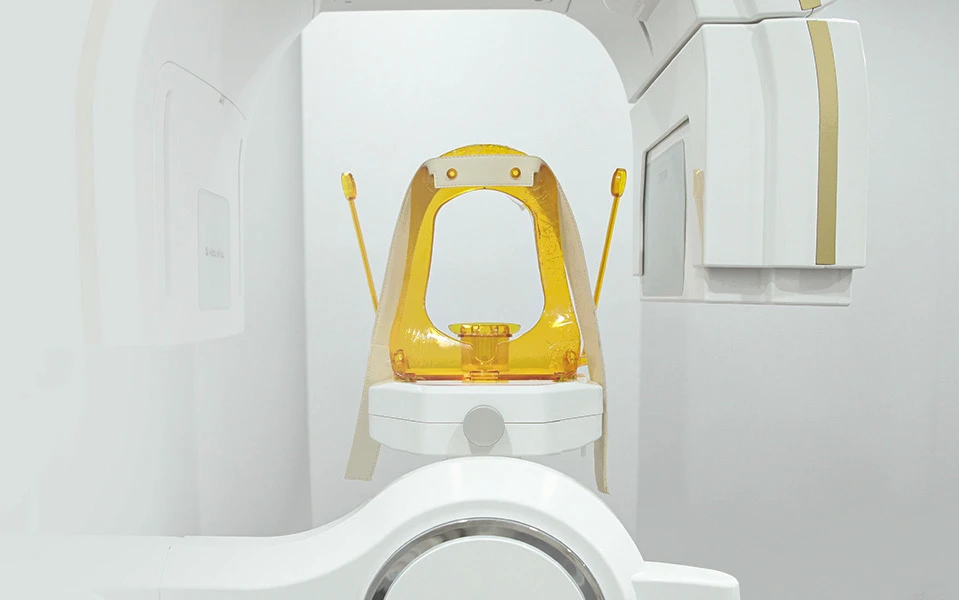
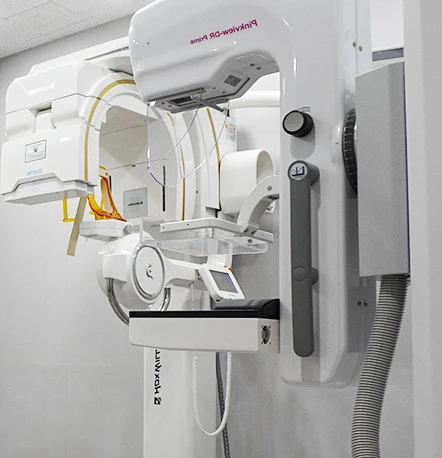
Before surgery, we use 3D-CT to find and analyze problems inside the nose that are not visible from the outside and to ensure precise surgery. We check the condition of the septal cartilage and nasal bones, the degree of deviation, and any enlargement of the inferior turbinates, so that the surgery addresses not only the shape of the nose but also its function.

Alar reduction surgical process at NANA Plastic Surgery
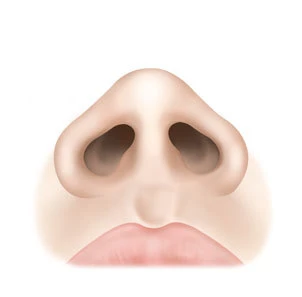
01
Before surgery, local anesthesia is administered after sedation.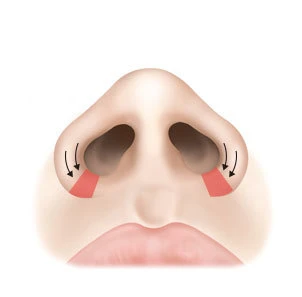
02
A reduction design is made in harmony with the overall nose shape, and the skin is incised according to the design.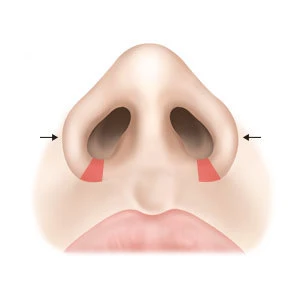
03
Excess skin is removed and the area is meticulously sutured.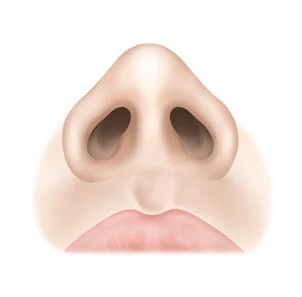
04
After surgery, you can see the narrowed nostrils.



NANA Plastic Surgery
Alar reduction features
- 01.
Minimal scarringSurgery is performed so that scars are as invisible to the naked eye as possible.
- 02.
Nose shape tailored to each individualRather than creating the same nose shape for everyone, we design a nose that complements each individual’s unique features and overall appearance, while maintaining a natural and balanced shape of the nostrils.
- 03.
Facial harmonyAs the nose is the central feature of the face, we carefully consider the forehead, cheekbones, eyes, jawline, lips, and other facial features to create a nose that blends naturally and harmoniously with the entire face.
- 04.
Even the Shape of the Nostrils MattersSurgery is performed to ensure both nostrils are symmetrical and look natural.
- 05.
NANA Pays Attention to Every Detail of the DesignWe analyze the width, length, and height of the nose in proportion to each individual’s facial features, designing a naturally balanced nose that harmonizes with the overall appearance.
Alar Reduction Surgery Information

Surgery Time
20–30 minutes
Anesthesia
Sedation (IV) anesthesia
Hospitalization
Not required
Stitch Removal
5–7 days after surgery
Return to Daily Life
After stitch removal
Follow-up Visits
About 2 visits
What makes alar reduction special at NANA Plastic Surgery
With the expertise gained from performing hundreds of surgeries, we deliver results that are close to perfect.

Less worry about scarring, the biggest post-surgery concern
Micro-incisions around the nostrils reduce concerns about scarring.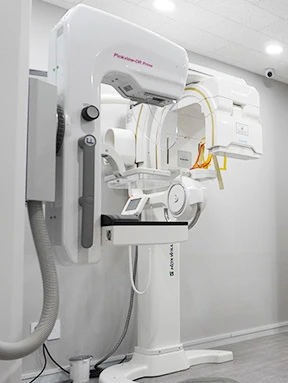
Accurate 3D-CT imaging of what cannot be seen
3D-CT is used to check the condition of the nasal cartilage and tissue.
The whole nose considered, not just the nostrils
Alar reduction and shape are improved with the proportions of the entire nose in mind.
Balancing the face with the nostrils alone
Even hidden proportions are checked to correct the overall balance of the face.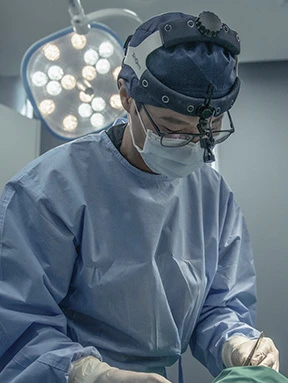
Strong alar fixation to prevent depression
Double suturing with an extra thread fixation reduces concerns about the nostrils spreading again.
Short recovery time, quick return to daily life
With a relatively short surgery time and recovery period, you can return to daily life right away.
Q & A answered by NANA Plastic Surgery

What are the benefits of alar reduction?
Micro-incisions around the nostrils reduce concerns about scarring,
and the triangular flap technique prevents deformation of the nose.
It also corrects nostril asymmetry, facial balance, and proportions
to achieve an ideal nose width. In addition, the surgery time is
short and you can return to daily life immediately afterward.
When is alar reduction performed?
- When you want to improve the shape of your nose but find nose surgery burdensome
- When you want a fast recovery and immediate results
- When the nostrils are fleshy, making the nose look wide and low
- When the nasal tip is fleshy and looks like a bulbous nose
- When the nostrils are large
- When the columella is short and the nose is spread out
People in the situations above typically undergo this surgery.
Alar reduction key points at NANA Plastic Surgery
We design a natural, beautiful nose that suits your face according to your individual preferences.
01
Harmonious facial proportions

02
Nasal function also considered
03
Minimized scarring

04
Post-surgery care

NANA Plastic Surgery's Trusted Rhinoplasty System

Personalized surgery
At NANA Plastic Surgery, personalized surgery is our principle. We design each surgery considering the condition and shape of your nose, its harmony with your face, and your personal preferences. We minimize the drawbacks and bring out only the strengths to create the most ideal nose.
Surgeon Identification & Dedicated Care System
NANA Plastic Surgery operates a surgeon identification system, providing patients with accurate and transparent information about the medical professionals responsible for their care.
From surgical planning and comprehensive examinations to the procedure itself and postoperative follow-up, each patient receives personalized one-on-one care from a designated medical professional throughout every step of the process.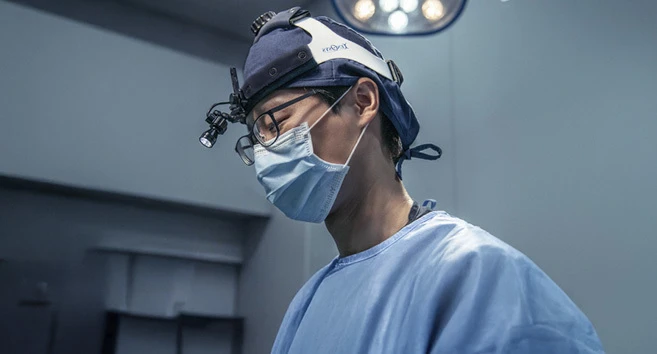

A naturally beautiful nose
At NANA Plastic Surgery, surgery is performed with the expertise of experienced specialists so that the nose, the center of the face, is in harmony with the forehead, cheekbones, eyes, chin, and lips.
Safe and responsible post-operative care
NANA Plastic Surgery puts safety first with professional safety systems inside and outside the operating room, including a safe anesthesia system and an uninterruptible power system. We also operate a dedicated aftercare and care center for fast recovery and satisfying results after surgery.

NANA's guide to
precautions after nose surgery
01
Washing, showering & makeup
You may wash your face and wear makeup from the day after the stitches on the columella (nasal column) are removed.Until the splint and tape are removed, wipe areas other than the surgical site with a damp towel; washing your face and wearing makeup is possible from the day after the columella stitches are removed. When washing, do not rub the nose hard or apply pressure. It is best to wait one month before wearing glasses, and please avoid saunas and steam rooms for one month.
02
Recovery
Slight bleeding and nasal discharge may occur for 2–3 days after surgery.Please do not blow your nose hard for one month after surgery; after one month you may blow your nose gently.
If ear cartilage was used, pain or changes in sensation may last up to 6 months.If ear cartilage was used during surgery, you may feel pain or changes in sensation when touching the area for up to 6 months. In general, pain and altered sensation improve over time, so there is no need to worry.
03
Swelling care
Facial swelling remains for about one month after surgery.It is normal for swelling of the nose to appear asymmetrical, as the two sides may swell or subside differently. Any visible asymmetry from swelling improves over time until the swelling has fully subsided.
Apply warm/cold compresses at the appropriate times after surgery.Cold compresses are recommended for the first 3 days after surgery; they help prevent bleeding and reduce swelling. From day 4 after surgery, warm compresses are recommended for effective management of swelling and bruising.
04
Wound care
Please visit the clinic for dressing changes and removal of the splint and stitches.If there is packing inside the nose or, when ear cartilage was used, a gauze dressing behind the ear, visit the treatment room 2–3 days after surgery to have the packing and gauze removed and the area disinfected. The nasal splint and stitches are removed at the treatment room 6–7 days after surgery.
Care for the area with the prescribed ointment.Twice a day, morning and evening, clean the inside of the nose and the incision line with a cotton swab moistened with saline solution, then apply a thin layer of the prescribed ointment.
05
Alcohol & smoking
Refrain from drinking alcohol and smoking for 1 month after surgery.Alcohol and smoking adversely affect bleeding, wound healing, and infection, so we recommend avoiding them for 1 month after surgery.
06
Sleeping position
Recommended Sleeping Positions for the First 3 Months After SurgeryFor the first week after surgery, avoid bending your neck while sleeping. Keep your upper body elevated and your head positioned above the level of your heart, as this may help reduce postoperative swelling more quickly.
Please avoid sleeping on your side or stomach. Instead, sleep on your back with your face directed toward the ceiling to help protect the surgical area.