
Upper Arm Liposuctionarm liposuction
By precisely removing the fat in the area that sags downward when you raise your arm at a right angle, we bring out a natural, slim line, and restore skin elasticity through NANA's own aftercare.
What is upper arm liposuction at NANA Plastic Surgery?
Some people are genetically predisposed to having fuller upper arms, while areas with excessive fat accumulation can be particularly resistant to diet and exercise.
Because the skin of the arms is relatively thin, with nerves and blood vessels located close to the surface, arm liposuction requires meticulous precision and careful attention. For a safe and satisfactory procedure, it is important to choose a clinic with extensive experience in arm liposuction.
Upper arm liposuction key points at NANA Plastic Surgery
To create firm, straight arm contours, it is essential to remove fat evenly while maintaining a smooth, natural-looking skin surface.
Removing excess fat from areas where the muscles appear more prominent can help create a more balanced, streamlined contour without unwanted bulges or unevenness. To help reduce the likelihood of fat recurrence, the procedure should focus on achieving a high yield of pure fat while minimizing the proportion of blood and other fluids in the collected aspirate.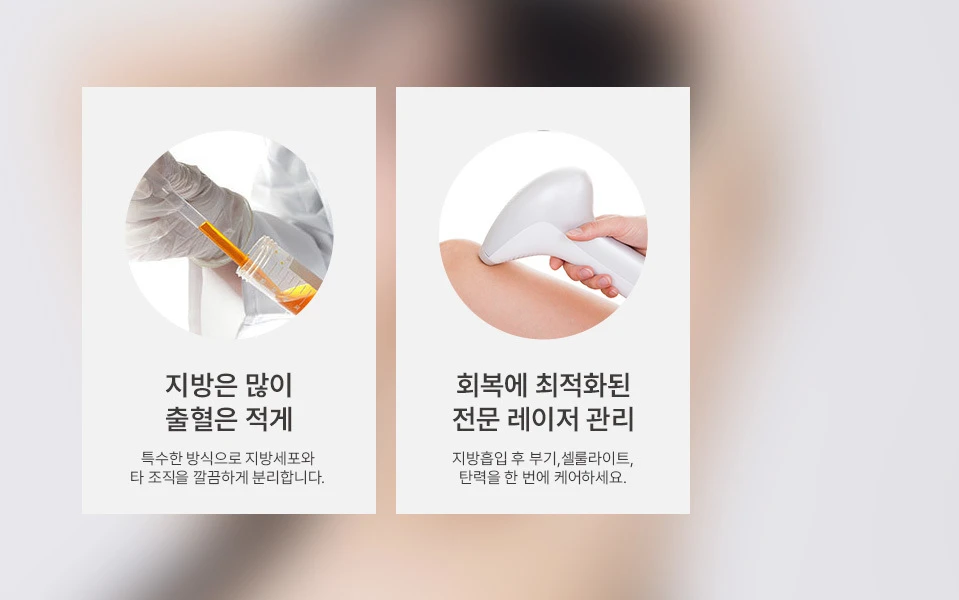

Why is upper arm liposuction special at NANA Plastic Surgery?
At NANA Plastic Surgery, our years of extensive experience enable us to perform procedures safely and precisely, even in challenging areas.
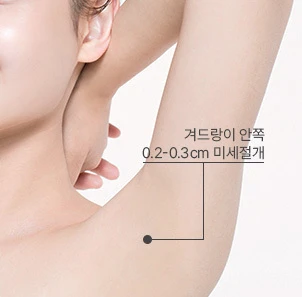
Minimal incision — NANA liposuction!
A tiny 0.2–0.3 cm incision is made in a discreet area, such as the inner armpit, helping keep the incision site concealed from view. Depending on the amount of fat to be removed, additional incision sites may be necessary.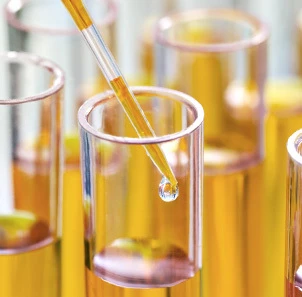
Morea pure fat. Less bleeding
With NANA’s proprietary surgical technique, we aim to maximize the collection of pure fat while minimizing bleeding and tissue trauma. This helps reduce postoperative swelling and promote a faster recovery.
Customized Micro-Canulas for Each Treatment Area
During liposuction, we use micro-cannulas specifically selected for each treatment area to minimize incision size and scarring while promoting a faster recovery.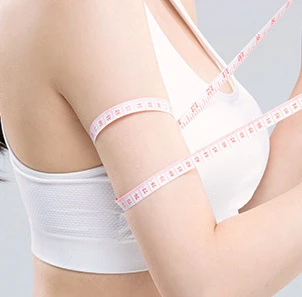
Perfect even after surgery!
After liposuction, RF treatment can remove residual swelling, remove cellulite, and care for elasticity all at once.


When
upper arm liposuction is needed at NANA Plastic Surgery
- 01.
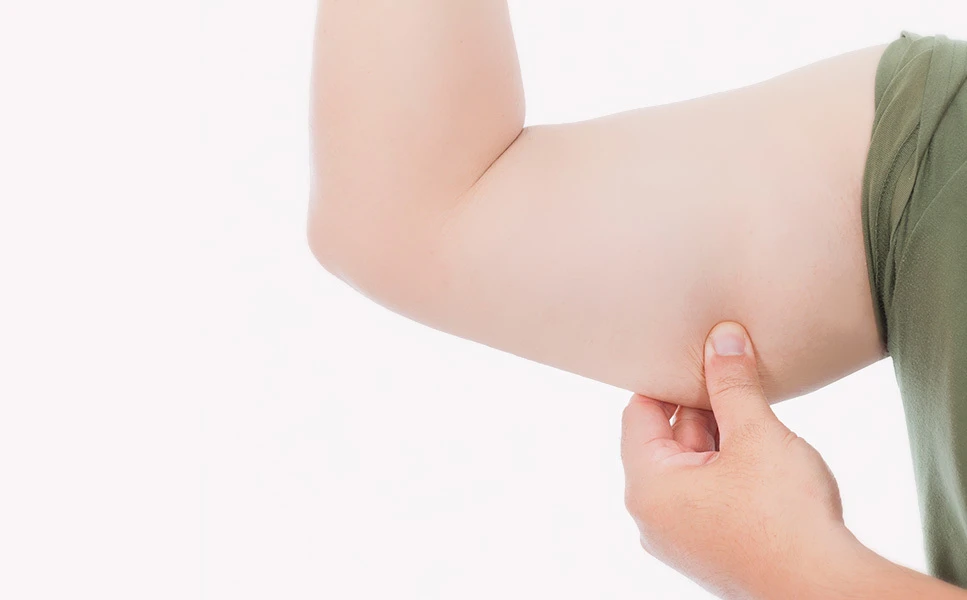
Slim build but heavy upper armsThose with a slim build but noticeably heavy upper arms
- 02.
Sagging upper arm fatThose concerned about sagging upper arm fat
- 03.
Sleeveless confidenceThose who lack confidence wearing sleeveless tops in summer
- 04.
Tight sleevesThose whose sleeves feel tight when wearing clothes
- 05.
Stubborn upper arm fatThose whose upper arm fat won't come off even with exercise and dieting
NANA Plastic Surgery's liposuction — from surgical planning to follow-up care
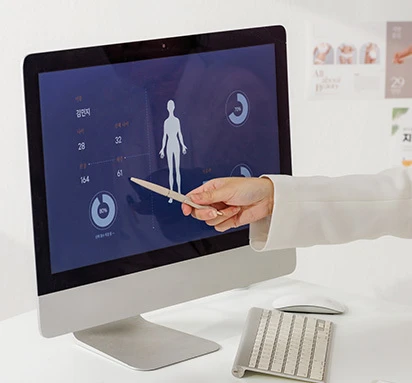
Body analysis & body consulting
InBody checks before and after liposuction provide more accurate information about changes in your body shape.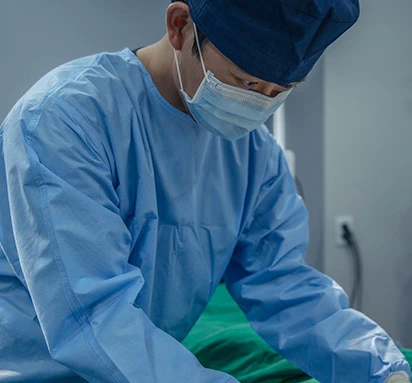
Meticulous surgery by your designated surgeon
The designated surgeon performs the surgery directly, removing fat cells with a micro-cannula between the skin and muscle layer.
Rebound-free care program
Post-operative RF treatment promotes blood circulation to prevent swelling, and prevents skin sagging through collagen synthesis and increased blood flow.
Upper Arm Liposuction Surgery Information

Surgery Time
Within 1 hour
Anesthesia
Sedation (IV) anesthesia
Hospitalization
Not required
Drain
None
Stitch Removal
After 1 week
Return to Daily Life
Immediately
Follow-up Visits
1 week after surgery
NANA Plastic Surgery's liposuction solution for smooth upper arms
The upper arms contain both subcutaneous fat and muscle, and because they are a relatively low-mobility area with well-developed connective tissue, excess fat can be particularly resistant to diet and exercise.
Arm liposuction requires meticulous technique and precision. Drawing on NANA’s years of experience and expertise, we create sleek, smooth arm contours with a refined, straight-line silhouette.
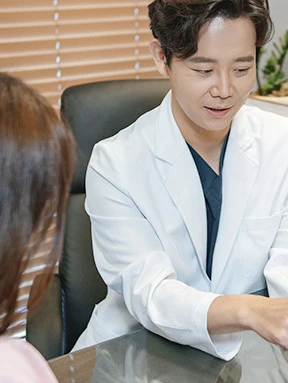
1:1 body consulting
Individual body analysis and body line consulting to carefully plan the surgery and remove fat effectively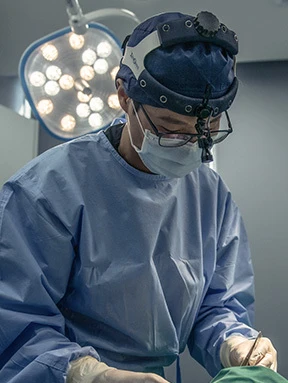
Micro fine cannula
Because surgery is performed with a fine cannula with a rounded tip, there is less scarring and faster recovery.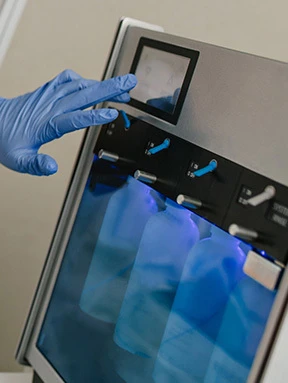
Professional laser care
Improves blood circulation to remove waste products, restore lost skin elasticity, and keep the skin even.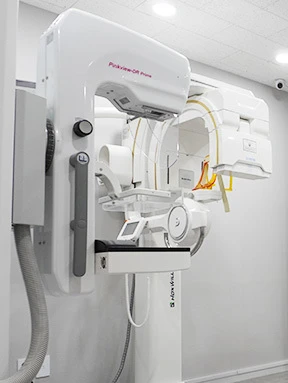
University hospital-level medical environment
We put safety first with differentiated facilities and equipment that support more precise and successful surgery.
Q & A answered by NANA Plastic Surgery

Liposuction: How Is It Different from Injectable Treatments?
Liposuction is a surgical procedure designed to improve body contours by removing excess fat from beneath the skin.
The degree of obesity is influenced by both the number and size of fat cells. Exercise, dietary changes, and injectable treatments may reduce the size of fat cells, but they can enlarge again over time, potentially resulting in weight regain.
In contrast, liposuction removes fat cells themselves, reducing their overall number rather than simply shrinking them. This may help minimize the likelihood of fat reaccumulation in the treated areas.
Upper arm
liposuction surgical areas by area and body type
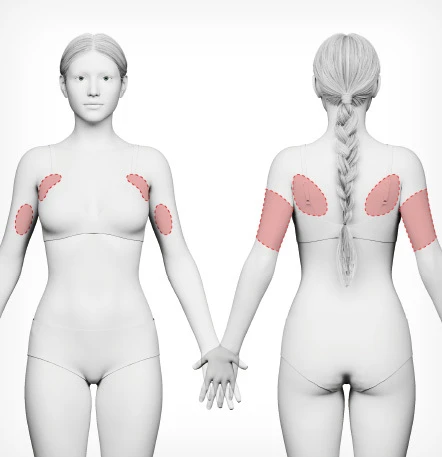
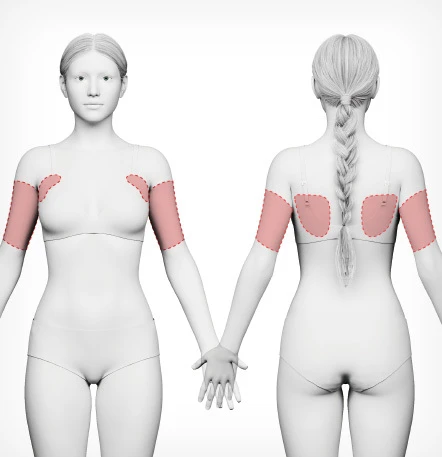
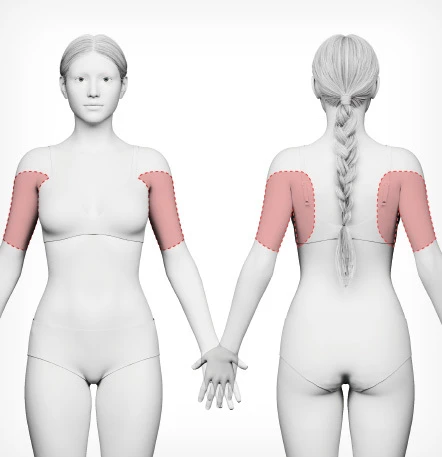
For accurate analysis and results, we systematically design the surgical areas through individual ultrasound and InBody measurements.
01
Removing only specific bulging areas — upper arm spot liposuction
02
Overall line and excess fat — upper arm line liposuction
03
Large-volume upper arm liposuction for a sharper fit
NANA Plastic Surgery's Trusted Safe Surgery System
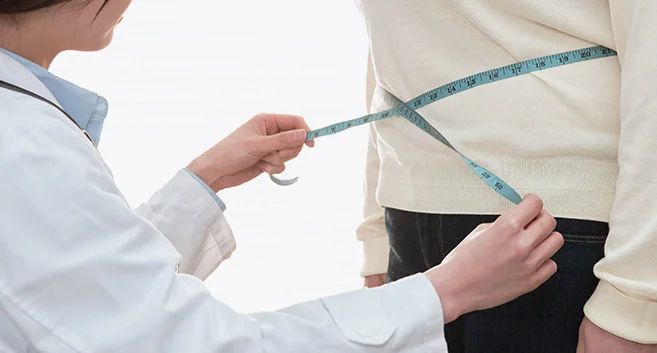
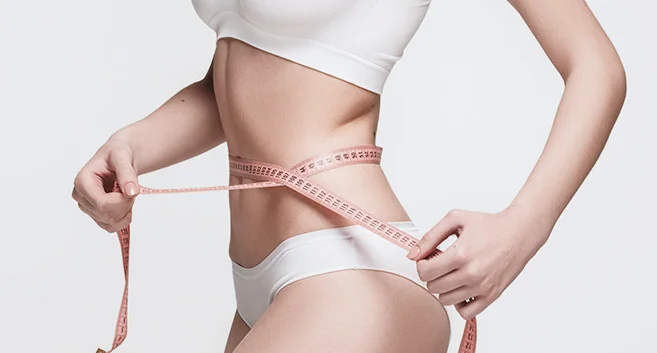
InBody comprehensive test
InBody measurement collects accurate body data and analyzes body composition to plan a three-dimensional surgery.
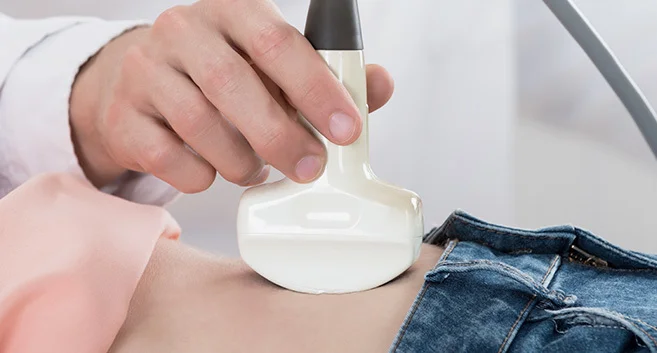
Ultrasound examination
Using high-resolution ultrasound, we precisely assess the thickness and distribution of the subcutaneous fat layer to develop a thorough, personalized surgical plan tailored to each patient.
Minimized tissue damage
By minimizing damage to blood vessels and nerve tissues, we help promote a faster recovery while minimizing postoperative bruising and discomfort.
Meticulous liposuction
We meticulously remove excess fat, including the superficial layer beneath the skin, to help minimize postoperative skin laxity and achieve smoother, more even contours with minimal irregularities.

Individually tailored prescriptions
After surgery, we provide personalized nutritional counseling and, when appropriate, prescribe customized weight-management medication based on each patient’s body type and dietary habits, helping maintain a lean, well-defined figure.
Aftercare Program
NANA Plastic Surgery runs a diverse and systematic aftercare program.
Liposuction Aftercare Program
Week 1
Area-specific infrared care
Area-specific infrared care improves blood circulation and reduces waste products remaining after surgery.
NANA's guide to
precautions after liposuction surgery
01
Washing & showering
You may shower from 2 days after surgery.When showering, keep the waterproof tape on, and replace only the waterproof tape after showering.
02
Recovery
There may be bleeding from the incision sites for 1–2 days after surgery.Blood or reddish fluid may come out through the incision sites; this is a normal reaction, so gently wipe it with clean gauze or cloth. Your bed may get wet while sleeping, so laying down a pad or waterproof sheet helps.
Lumps of fat may appear in the surgical area.Fat lumps may appear, but they gradually soften from 3 months after surgery. Skin sensation in the surgical area may be dulled.
03
If a compression garment was prescribed
Please wear the compression garment 24 hours a day for 1 month after surgery.The compression garment greatly helps relieve swelling and contract the skin.
Always wear the compression garment without any wrinkles.Wearing the compression garment with wrinkles can cause unevenness in the surgical area, so please take care.
Remove the compression garment while lying down, and get help from someone nearby when putting it on or taking it off.When the compression garment is removed, the loss of compression can cause a drop in blood pressure and dizziness. To prevent this, remove the garment while lying down whenever possible, and it is best to get help from someone nearby when putting it on or taking it off.
04
If no compression garment was prescribed
Please remove the compression bandage wrapped around the surgical area at home the following afternoon.After removing the compression bandage, check the condition of the surgical area and contact the clinic if you notice any abnormal symptoms.
05
Wound care
Stitches at the liposuction sites can usually be removed around 7 days after surgery.Stitches at the liposuction sites can usually be removed around 7 days after surgery, but depending on your condition they may be removed on day 10–14.
Using a scar-reducing ointment helps reduce scarring at the incision sites.Consistently using the ointment prescribed by the clinic greatly helps reduce scarring.
Swelling subsides gradually over 3 months or more.Swelling varies by individual but subsides gradually over 3 months; full recovery and the final line take about 6 months.
06
Alcohol & smoking
Refrain from drinking alcohol and smoking for 1 month after surgery.Alcohol and smoking adversely affect bleeding, wound healing, and infection, so we recommend avoiding them for 1 month after surgery.