Functional RhinoplastyFunctional Rhinoplasty
Treat nasal conditions and get a customized, beautifully shaped nose at the same time! NANA's nasal obstruction rhinoplasty is a surgical method that improves the nose line while also resolving nasal congestion.
Functional rhinoplasty point: Deviated septum
Nasal Obstruction Caused by a Deviated Septum
When the nasal septum becomes abnormally deviated, it can obstruct the nasal airway and interfere with normal airflow. A deviated septum may also compress the surrounding nasal tissues, causing the turbinates to become enlarged or narrowing the nasal passage on the affected side, which can lead to persistent nasal obstruction.
If nasal obstruction continues, pressure from the deviated septum on the nasal mucosa may stimulate surrounding nerves and contribute to conditions such as rhinitis and chronic sinusitis. In some cases, it may also be associated with snoring, sleep disturbances caused by obstructive sleep apnea, and headaches or migraines. Persistent nasal obstruction should therefore be evaluated and appropriately treated.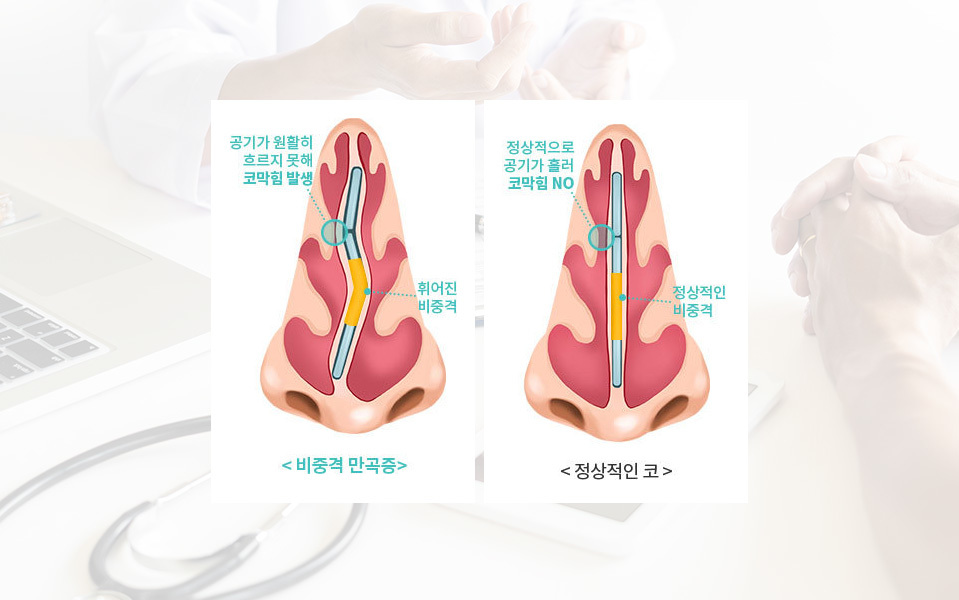
Functional rhinoplasty point: Nasal valve reconstruction
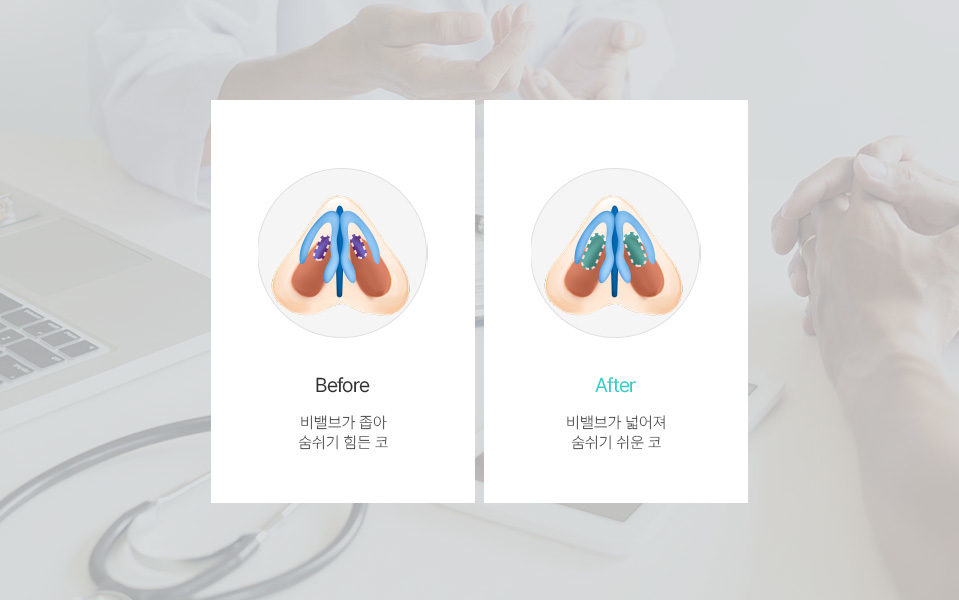
The nasal valve is a roof-like space located at the top of the septum inside the nose, and it is a key part of the nose that regulates airflow. A nose with a narrow nasal valve makes breathing difficult and is prone to stuffiness and congestion. In such cases, to help you breathe more easily, we harvest septal cartilage and insert it on both sides to widen the nasal valve and secure breathing space — nasal valve reconstruction performed together with the rhinoplasty. With a single cartilage harvest, cosmetic surgery and nasal obstruction surgery are performed at the same time, making it a highly satisfying procedure.
A harmonious nose tailored to each individual's type and character
We consider each person's unique facial balance to complete a line that suits you. Rather than uniform beauty, we find the most ideal angle of the bridge and tip that respects your individuality. Considering the angle of the bridge and tip, we complete a natural, beautiful nasal bridge from both the side and the front.


Features of functional rhinoplasty at NANA Plastic Surgery
Both beauty and internal function can be improved at once. This surgery smooths the airflow inside the nose so you can breathe comfortably.
Strengthening the septum and nasal interior
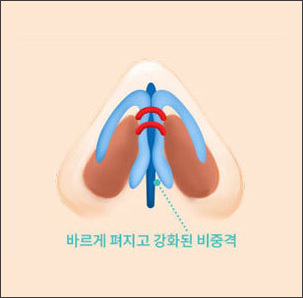
The deviated and weakened septum is straightened and strengthened at the same time.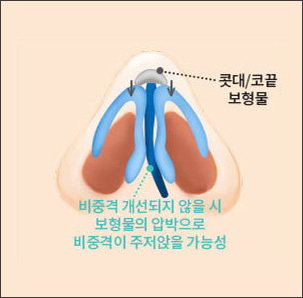
Preventing side effects by improving the septum
Improving a weakened septum prevents the possibility of the bridge/tip implant collapsing later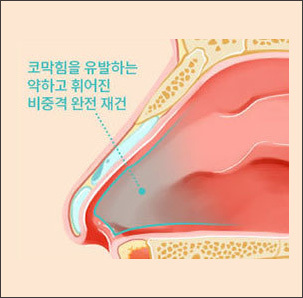
Complete septal reconstruction
When congestion has worsened due to a weak, deviated septum, the nasal valve area is raised to resolve the congestion.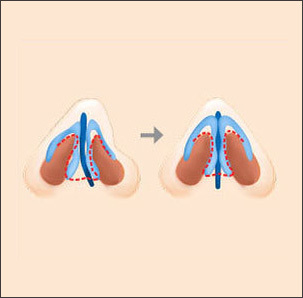
Reduced risk of a crooked bridge
With the inside of the nose properly straightened and strengthened, the chance of the bridge becoming crooked later is reduced, completing an ideal nose line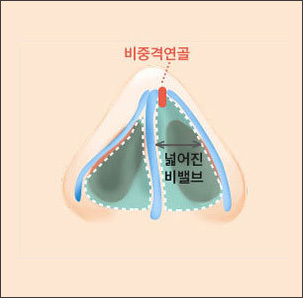
Nasal valve surgery
Septal cartilage is harvested and inserted on both sides to widen the angle, widening the nasal valve and securing breathing space.



Why you should have
functional rhinoplasty
- 01.
Reduced surgical scopeBecause the cartilage can be harvested from the same surgical site, the scope of surgery can be reduced.
- 02.
Functional and aesthetic improvement at onceFunctional and aesthetic improvement are possible at the same time.
- 03.
Shorter surgery and recovery timeSurgery time and recovery time can be shortened.
- 04.
Only one round of nasal packingIf the two surgeries were performed separately, nasal packing for hemostasis and shaping would be needed twice, but it can be reduced to once.
- 05.
Eligible for private health insuranceSurgery can be performed at a lower cost with private health insurance coverage.
Functional Rhinoplasty Surgery Information

Surgery Time
1 hour
Anesthesia
Sedation (IV) anesthesia
Hospitalization
Not required
Stitch Removal
5–7 days after surgery
Return to Daily Life
After stitch removal
Follow-up Visits
About 2 visits
What makes functional rhinoplasty special at NANA Plastic Surgery
A precise pre-surgical examination is essential to identify the exact cause of nasal congestion. At NANA Plastic Surgery, a board-certified ENT specialist performs a university hospital-level examination before surgery.
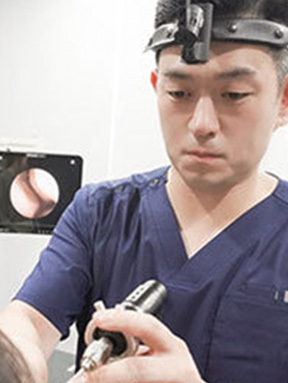
Endoscopic examination of areas that cannot be seen
An endoscope accurately identifies the internal structure of the nose, enabling a detailed surgical plan.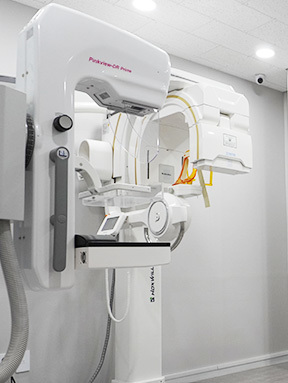
3D-CT imaging — there's more than meets the eye
3D-CT is used to check the condition of the nasal cartilage and tissue.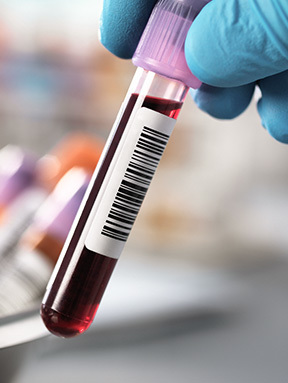
MAST allergy blood test
A multiple allergen simultaneous test is performed before surgery to identify allergens.
Q & A answered by NANA Plastic Surgery

Rhinoplasty (bridge + tip) should be performed after correcting the deviated septum to prevent recurrence of congestion and deformation of the nose
If a heavy bridge + tip implant is forced in while the septum
inside the nose is still deviated, the implant may shift in the
direction of the deviation, causing the bridge to become crooked
and the congestion to worsen as a side effect.
For a satisfying nose line and improved breathing after surgery,
septal correction and rhinoplasty should be performed together.
Functional rhinoplasty
is recommended for!
If even one of the following surgery types is performed, insurance reimbursement is available
01
Sleep disorders (sleep apnea)

02
Migraines, sore throat

03
Chronic rhinitis, nasal congestion

04
Rhinitis, sinusitis

05
Mouth breathing (dry mouth)
06
Poor concentration, loss of motivation

NANA Plastic Surgery's Trusted Rhinoplasty System

Personalized surgery
At NANA Plastic Surgery, personalized surgery is our principle. We design each surgery considering the condition and shape of your nose, its harmony with your face, and your personal preferences. We minimize the drawbacks and bring out only the strengths to create the most ideal nose.
Named-surgeon policy and dedicated care
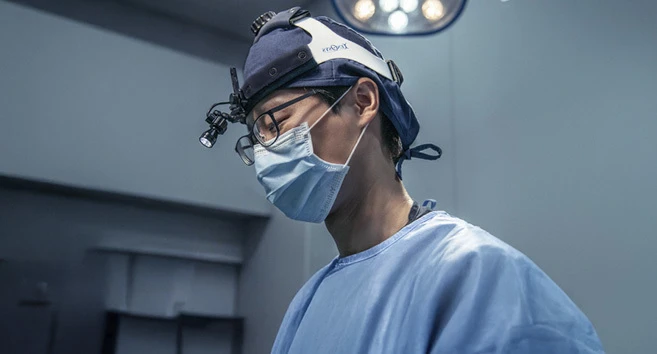
We have adopted a named-surgeon policy for every operating room so that patients receive accurate, honest information about their medical team. In addition, the designated surgeon provides 1:1 personalized care from surgical planning and comprehensive examination through surgery and post-operative follow-up.

A naturally beautiful nose
At NANA Plastic Surgery, surgery is performed with the expertise of experienced specialists so that the nose, the center of the face, is in harmony with the forehead, cheekbones, eyes, chin, and lips.
Safe and responsible post-operative care
NANA Plastic Surgery puts safety first with professional safety systems inside and outside the operating room, including a safe anesthesia system and an uninterruptible power system. We also operate a dedicated aftercare and care center for fast recovery and satisfying results after surgery.

NANA's guide to
precautions after nose surgery
01
Washing, showering & makeup
You may wash your face and wear makeup from the day after the stitches on the columella (nasal column) are removed.Until the splint and tape are removed, wipe areas other than the surgical site with a damp towel; washing your face and wearing makeup is possible from the day after the columella stitches are removed. When washing, do not rub the nose hard or apply pressure. It is best to wait one month before wearing glasses, and please avoid saunas and steam rooms for one month.
02
Recovery
Slight bleeding and nasal discharge may occur for 2–3 days after surgery.Please do not blow your nose hard for one month after surgery; after one month you may blow your nose gently.
If ear cartilage was used, pain or changes in sensation may last up to 6 months.If ear cartilage was used during surgery, you may feel pain or changes in sensation when touching the area for up to 6 months. In general, pain and altered sensation improve over time, so there is no need to worry.
03
Swelling care
Facial swelling remains for about one month after surgery.It is normal for swelling of the nose to appear asymmetrical, as the two sides may swell or subside differently. Any visible asymmetry from swelling improves over time until the swelling has fully subsided.
Apply warm/cold compresses at the appropriate times after surgery.Cold compresses are recommended for the first 3 days after surgery; they help prevent bleeding and reduce swelling. From day 4 after surgery, warm compresses are recommended for effective management of swelling and bruising.
04
Wound care
Please visit the clinic for dressing changes and removal of the splint and stitches.If there is packing inside the nose or, when ear cartilage was used, a gauze dressing behind the ear, visit the treatment room 2–3 days after surgery to have the packing and gauze removed and the area disinfected. The nasal splint and stitches are removed at the treatment room 6–7 days after surgery.
Care for the area with the prescribed ointment.Twice a day, morning and evening, clean the inside of the nose and the incision line with a cotton swab moistened with saline solution, then apply a thin layer of the prescribed ointment.
05
Alcohol & smoking
Refrain from drinking alcohol and smoking for 1 month after surgery.Alcohol and smoking adversely affect bleeding, wound healing, and infection, so we recommend avoiding them for 1 month after surgery.
06
Sleeping position
Please check the recommended sleeping positions for 3 months after surgery.For the first week after surgery, avoid bending your neck while sleeping and keep your upper body elevated so your head is higher than your heart, which helps swelling subside faster. Also, do not sleep on your side or on your stomach; sleep facing the ceiling.