
Breast Reduction
For better health and beautiful proportions, the beginning of beauty.
Several factors can cause breast enlargement, including genetics, weight gain, hormonal changes, pregnancy, and breastfeeding. Overly large breasts may cause pain and discomfort that affect everyday life.
Breast reduction surgery goes beyond reducing breast size. Each procedure is tailored to the individual, following a thorough assessment of body proportions and breast tissue. The aim is to create a natural shape and a firmer, more balanced contour while relieving physical concerns such as neck and shoulder pain, skin irritation, and posture problems.
Through a comprehensive evaluation and detailed consultation, we develop a surgical plan suited to each patient’s needs. Our care continues throughout recovery, with structured follow-up support to help patients achieve satisfying results.
 In-house Medical Examination
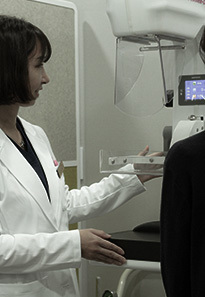 Preoperative Breast Examination
 Surgery
 Surgery After Care
 Postoperative Recovery Check
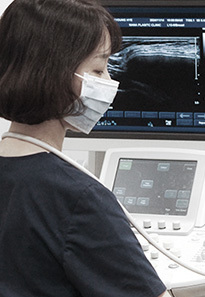 Postoperative Breast Examination
At NANA Plastic Surgery, the finest details make all the difference in breast reduction.
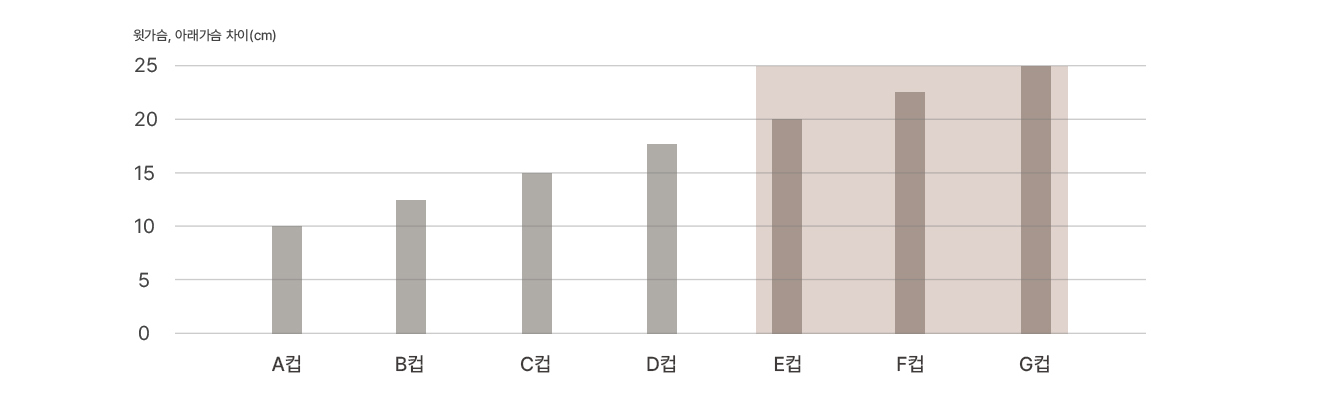 CHECK POINT자가 진단으로 거대 유방증 확인해 보세요.
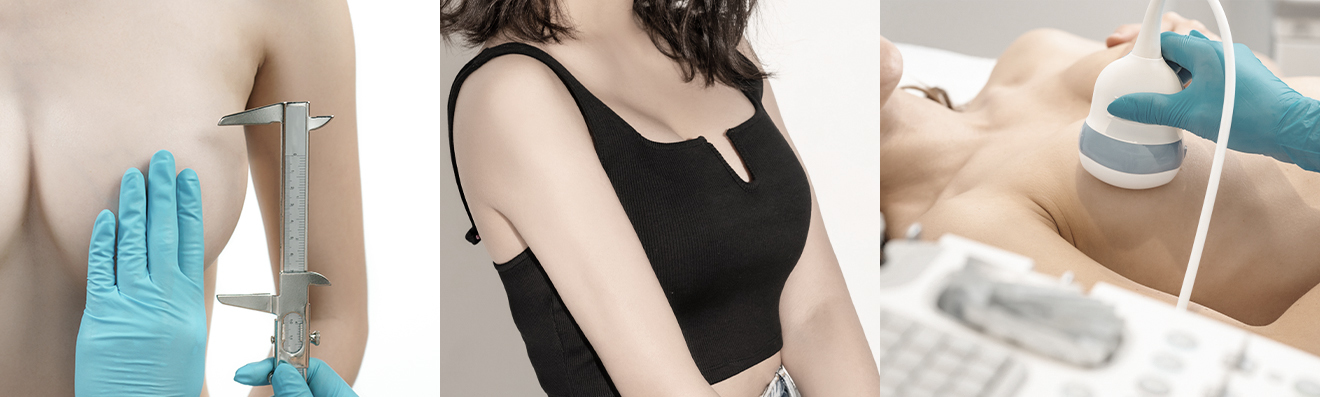
Breasts are generally classified as excessively large (macromastia) when the distance from below the collarbone (the upper chest) to the breast crease measures 20 cm or more (approximately an E cup), and the volume of each breast exceeds 400 cc.
Overly large breasts can affect body proportions and cause physical discomfort, including neck and shoulder pain, skin irritation, and poor posture. Over time, these concerns may also lead to emotional distress.
In such cases, breast reduction surgery may be considered a treatment to improve comfort and quality of life, beyond its cosmetic benefits.
Our breast examination process is the foundation of a balanced breast reduction.

- CHECK POINT01
Full HD endoscopic visualization provides a clear view of the surgical area, helping minimize damage to nerves and blood vessels during tissue dissection and reduce the risk of bleeding-related complications. A thorough examination and detailed consultation guide the choice of surgical technique, tailored to each patient’s anatomy.
- CHECK POINT02
Breast reduction is a complex procedure that requires an experienced surgeon with advanced surgical skills. Each procedure is carefully planned to minimize unnecessary incisions, keep scarring as discreet as possible, and reduce pain to support a smooth recovery and an earlier return to daily activities.
- CHECK POINT03
High-resolution breast ultrasound allows for a detailed assessment of breast contours, asymmetry, and any breast conditions that may require treatment. It also helps determine how much glandular tissue may need to be removed—something that cannot be assessed from appearance alone—providing valuable guidance when selecting the surgical approach.
Breast Reduction Beyond Aesthetics—Restoring Comfort and Balance to Your Life
Less Weight, Better Quality of Life
Patient Safety
Our team includes doctors specializing in breast conditions and uses equipment comparable to that found in university hospitals, with rigorous safety measures in place throughout every procedure
Functional Benefits
Breast reduction helps relieve physical concerns associated with overly large breasts, including chronic shoulder pain, forward head posture, and postural imbalances, while restoring more balanced body proportions.
Aesthetic Benefits
Carefully correcting sagging, asymmetry, and uneven volume creates natural contours and a beautifully balanced silhouette.
Dedicated Recovery Care
At NANA Plastic Surgery, our care continues well beyond surgery. Our dedicated aftercare team provides attentive, structured support throughout your recovery, from pain management to ongoing follow-up.
Rediscover balance in your life and comfort in every day.
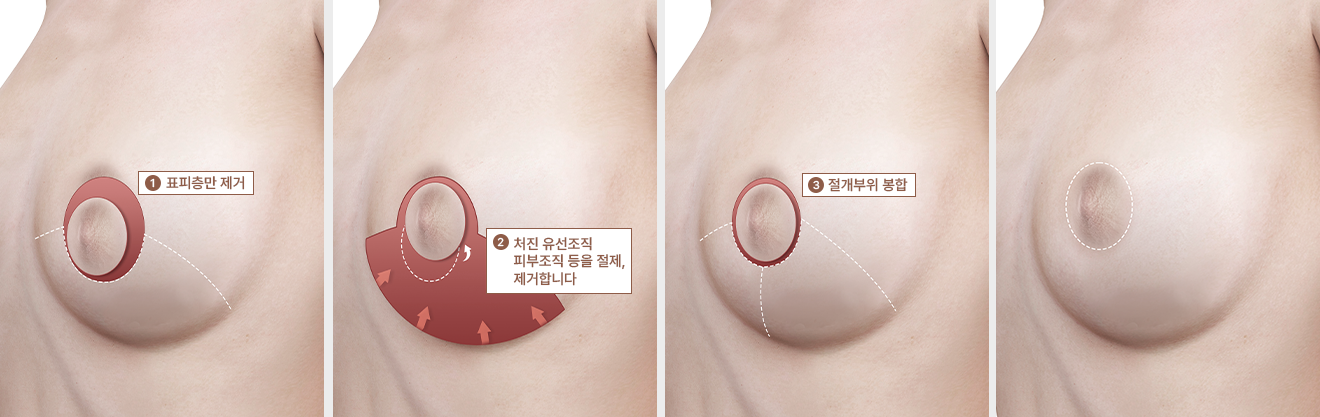
Vertical Incision Technique (For Moderate Breast Sagging)
This technique combines an incision around the areola with a vertical incision extending approximately 4–5 cm downward. Used to address moderate to pronounced sagging, it improves breast shape and firmness while limiting the extent of scarring.
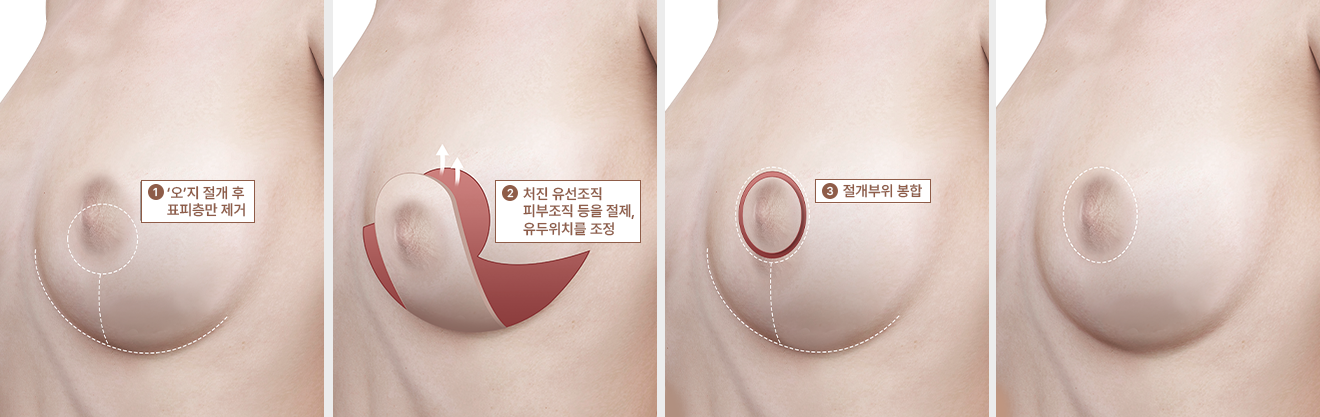
Inverted-T Incision Technique (For Severe Breast Sagging)
This technique combines an incision around the areola, a vertical incision down to the breast crease, and a horizontal incision along the crease, forming an inverted T. It addresses severe sagging and repositions the nipples to achieve a more balanced appearance, helping improve both breast shape and function.
자주 묻는 FAQ
- A. Breast reduction may be an option if overly large, heavy breasts cause neck and shoulder pain, skin irritation, posture problems, or discomfort during daily activities. It can also address sagging and asymmetry.
- A. Macromastia may be considered when the distance from below the collarbone to the breast crease is 20 cm or more, or when the volume of either breast is 400 cc or greater. A clinical assessment is needed for an accurate diagnosis.
- A. A breast examination helps assess breast tissue, identify asymmetry and any conditions that may require treatment, and determine how much tissue needs to be removed. These findings help guide the choice of surgical technique.
- A. For moderate sagging, a vertical incision technique may be used, with an incision around the areola extending downward to the breast crease. For severe sagging, an inverted-T technique may be suitable, adding a horizontal incision along the breast crease.
- A. Breast reduction requires incisions, so some scarring is expected. Careful incision placement, meticulous suturing, and postoperative scar care can help make scars less noticeable. The appearance of scars varies depending on how each person heals.