Bulbous NoseBulbous Nose
Surgery that makes a blunt and spread-looking nose sharp and sleek.
Make spread nose slim and sharp
Bulbous nose has a blunt and flat spread appearance, which is far from a refined image. This can be improved by correcting loose cartilage and removing subcutaneous fat. Since the width of the nose and skin thickness differ for each individual, bulbous nose correction is performed considering the causes and differences of each bulbous nose.

Reduced scar concerns through micro-incision
Pre-operative examination is conducted using state-of-the-art equipment to accurately identify cartilage position, shape, and size that are difficult to confirm with the naked eye. Additionally, through sufficient consultation, surgical methods suited to each individual are used, and when performing incision surgery, micro-incisions are used to minimize swelling, bruising, and scarring.


Nana Plastic Surgery's Bulbous Nose Surgery Method
Bulbous nose, where the nasal tip and alae appear excessively blunt and spread compared to the width of the dorsum, gives an unsophisticated impression.
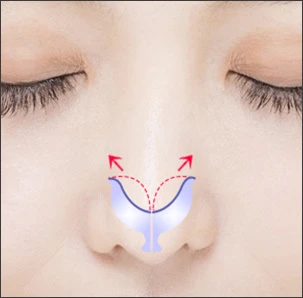
Case with Enlarged Nasal Tip Cartilage
After partial resection of the alar cartilage, it is repositioned in an upward direction, and autologous tissue is grafted between the nasal septa.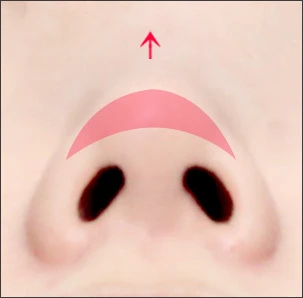
Case with Thick Subcutaneous Fat
When subcutaneous fat at the nasal tip is thick, fat is removed and the nasal tip skin is atrophied to create a sharp appearance.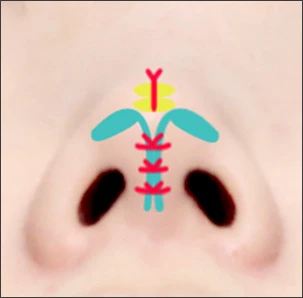
Case with Separated Cartilage
When the alar cartilage forming the nasal tip is separated, the alar cartilage shape is refined and sharpened, then the left and right sides are sutured together and tied.



Causes of Bulbous Nose and
Cases Requiring Surgery
- 01.
Case with Enlarged Alar CartilageThere are cases where the alar cartilage, which is the nasal tip cartilage itself, is developed, making the nasal tip appear enlarged. In such cases, refining the upper portion of the alar cartilage can achieve the effect of bulbous nose correction.
- 02.
Case with Excess Tissue at Nasal TipMost bulbous noses have excess tissue at the nasal tip. Excess tissue must be removed within a stable range, and tissue removed in this way can serve as material for nose surgery.
- 03.
Case with Low and Spread Nasal TipThere are cases where the nasal tip itself is low, and in such cases, the nasal tip must be elevated to define the contour while simultaneously making the tip slim.
Bulbous Nose Surgery Information

Surgery Duration
1 hour
Anesthesia Method
Sleep Anesthesia
Hospitalization
None
Suture Removal
5-7 days after surgery
Return to Normal Activities
Return to daily life possible after suture removal
Follow-up Visits
Approximately 2 visits
NANA Plastic Surgery What Makes Our Bulbous Nose Surgery Special
Center of the face, the nose - Creating the most flattering nose with personalized reshaping

Personalized surgery that identifies the cause of bulbous nose
We identify the cause of the bulbous nose and perform an appropriate surgical method.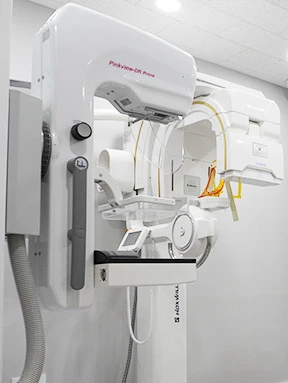
Precise 3D-CT imaging to areas not visible
We use 3D-CT to confirm the condition of the nose's cartilage and tissue.
Satisfactory results with 1:1 personalized surgery
Establishing a surgical method and plan suitable for each individual considering facial harmony
From a dull appearance to a refined impression
We improve a blunt and dull appearance to a refined and sophisticated impression.
NANA Plastic Surgery Q & A

Is there a difference from general alar reduction?
Alar reduction surgery reduces the sides of the nose, not the tip of the nose, while bulbous nose surgery reduces the tip skin tissue and wide cartilage. Due to this difference, if only general alar reduction is performed, only the alar width decreases, which can make the proportion of the nose tip appear relatively wider.

Is bulbous nose improvement possible with general nose surgery?
Depending on the case, some improvement is possible when nose tip reshaping provides dimension to a bulbous nose, but there are limitations to improvement. In cases of severe bulbous nose, since the skin tissue is thick and cartilage is spread, it is advisable to proceed with bulbous nose surgery for definite improvement.
NANA Plastic Surgery Bulbous Nose Surgery Points
Depending on the cause of the bulbous nose, we design a natural and beautiful nose using the surgical method suitable for your nose.
01
Pursuit of naturalness

02
Consideration of nasal movement

03
Customized surgery

04
Thorough post-operative care

NANA Plastic Surgery Reliable Nose Surgery System

Customized Plastic Surgery by Individual
At Nana Plastic Surgery, we practice customized plastic surgery tailored to each individual. We design based on the condition and shape of your nose, harmony with your face, and personal preferences. We minimize disadvantages and enhance advantages to create the most ideal nose for you.
Operating Room Real-name System and Dedicated Responsibility System
By implementing the operating room real-name system, we provide accurate and honest medical staff information to our customers for trustworthy care. Additionally, from surgical planning and comprehensive examination confirmation through post-operative care, all procedures are managed 1:1 by designated medical staff with customized management.

Naturally Beautiful Nose
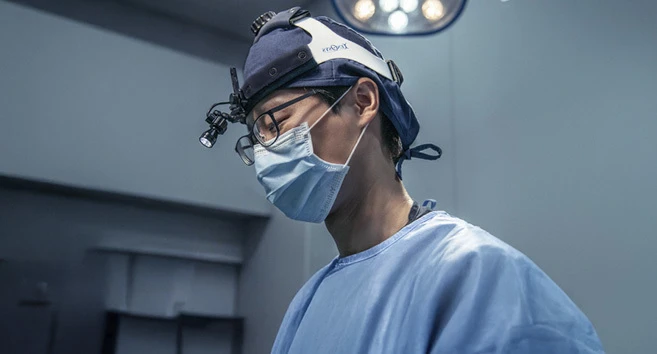
At Nana Plastic Surgery, our experienced specialists utilize their expertise to ensure that the nose, which is the center of the face, harmonizes with the forehead, cheekbones, eyes, chin, lips, and other facial features during surgery.
Safe and Responsible Post-operative Care
At Nana Plastic Surgery, we prioritize safety by equipping our operating rooms with professional safety systems both inside and outside, including safe anesthesia systems and uninterruptible power supply systems. Additionally, we operate a professional post-operative care and care center for rapid recovery and satisfactory results following surgery.

Precautions After Nose Surgery
from Nana
01
Cleansing and Showering·Makeup
Cleansing and makeup are possible from the day after suture removal from the nasal bridge area.Before removing the splint and tape, wipe areas other than the surgical site with a damp cloth. Cleansing and makeup are possible from the day after suture removal from the nasal bridge area. When cleansing, please avoid rubbing the nose area forcefully and refrain from applying pressure. It is recommended to wear glasses after one month, and please avoid saunas and jjimjilbangs for one month.
02
Progress
You may experience slight bleeding and nasal discharge for 2-3 days after surgery.Please refrain from blowing your nose forcefully for one month after surgery. After one month has passed, gentle nose blowing is possible.
There may be pain or sensory changes for up to 6 months when ear cartilage is used.If ear cartilage is used during surgery, there may be pain or sensory changes when touched for up to 6 months. In general cases, pain and sensory abnormalities improve over time, so there is no need to worry.
03
Swelling Management
Facial swelling remains for one month after surgery.It is common for nasal swelling to appear asymmetrical as each side swells differently or subsides at different rates. The apparent asymmetrical swelling improves over time until the swelling completely subsides.
Apply warm and cold compresses at appropriate times after surgery.Cold compress is recommended for up to 3 days after surgery. This prevents bleeding and reduces swelling. From 4 days after surgery onwards, warm compress is recommended for effective swelling and bruise management.
04
Wound Care
Please visit the clinic for dressing, splint, and suture removal.If gauze dressing is applied inside the nose or behind the ears when ear cartilage is used, please visit the treatment room 2-3 days after surgery for removal of gauze and cotton and disinfection. Splint and suture removal from the nose are performed 6-7 days after surgery at the treatment room.
Manage with the prescribed ointment.Twice daily, morning and evening, after surgery, clean the inside of the nose and incision line area with a cotton swab dampened with saline solution, then apply the prescribed ointment thinly.
05
Alcohol and Smoking
Refrain from alcohol and smoking for one month after surgery.Alcohol and smoking have adverse effects on bleeding, wound healing, and infection, so we recommend abstaining for one month after surgery.
06
Sleeping Position
Please check your sleeping position as appropriate for 3 months after surgery.For the first week after surgery, ensure your neck is not bent during sleep, and maintain a sleeping position with your upper body elevated and your head higher than your heart, which helps reduce swelling more quickly. Also, please do not sleep on your side or face down; instead, sleep with your face toward the ceiling.