Implant-Free Rhinoplastyautologous rhinoplasty
NANA Plastic Surgery's implant-free rhinoplasty completes a natural, beautiful nose line that looks like your own.
Natural and safe implant-free rhinoplasty
NANA Plastic Surgery’s non-implant rhinoplasty is performed without artificial implants such as silicone or Gore-Tex. Instead, autologous tissues—including ear cartilage, septal cartilage, rib cartilage, autologous dermis, and temporalis fascia—are used to refine and reshape the nose.
By using the patient’s own tissues, the procedure minimizes concerns associated with artificial implants, including inflammation and thinning of the overlying skin, while creating a natural and harmonious nasal contour.
Fewer worries about side effects, higher success rate.
If an implant inserted in a previous surgery has shifted or become visible, or if capsular contracture has developed due to inflammation at the nasal tip, it can be improved through implant-free rhinoplasty. Because your own tissue is used, it integrates with the skin tissue and the likelihood of side effects is reduced.


Features of implant-free rhinoplasty at NANA Plastic Surgery
Only the appropriate areas and the right amount of fat are removed, tailored to each individual, for a small, slim line from every angle.
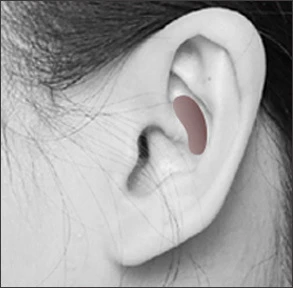
Ear cartilage
Creates a natural nasal tip shape; the incision scar is inconspicuous and the shape of the ear does not change.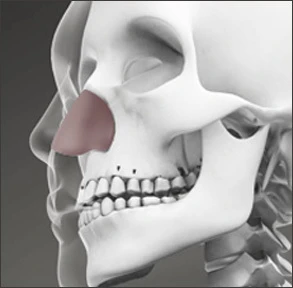
Septal cartilage
Frequently used to make the nasal tip sharper; the angle can be adjusted, making it the most commonly used cartilage.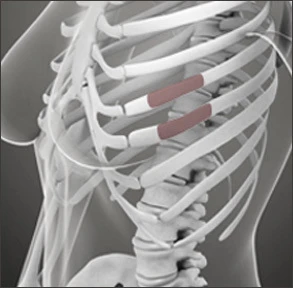
Rib cartilage (costal cartilage)
Used when other autologous cartilage is insufficient; usually the 6th–9th rib cartilage is harvested.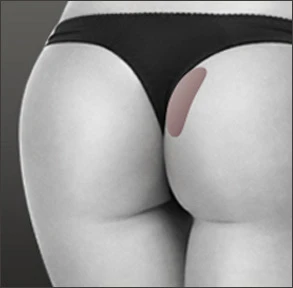
Autologous dermis
Autologous tissues may be used to augment the nasal bridge as an alternative to artificial implants, particularly in cases where the skin has become thin following previous surgery or when patients prefer to avoid artificial implants.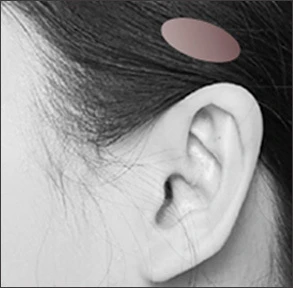
Temporal fascia
Used to Cover Implants or Cartilage
When the skin over the nasal bridge or nasal tip is thin enough for an implant or cartilage graft to become visible, autologous tissue may be used to cover and reinforce the implant or cartilage for a smoother, more natural-looking contour.



Who needs
implant-free rhinoplasty
- 01.
When the bridge and tip are low overallRather than simply raising the bridge, we perform personalized surgery that considers the shape and proportions of the bridge and tip so they harmonize with the facial shape, eyes, lips, and other features.
- 02.
When there is an aversion to implantsFor those who want rhinoplasty but have an aversion to implants or are reluctant to have surgery due to allergic reactions, we perform natural, safe rhinoplasty using the patient's own autologous tissue.
- 03.
When an implant cannot be used due to side effects from a previous surgeryIf the skin has thinned or inflammation and side effects have developed due to a failed previous surgery, we remove the artificial implant and perform revision rhinoplasty using autologous tissue only.
Implant-Free Rhinoplasty Information

Surgery Time
1 hour
Anesthesia
Sedation (IV) anesthesia
Hospitalization
Not required
Stitch Removal
5–7 days after surgery
Return to Daily Life
After stitch removal
Follow-up Visits
About 2 visits
What makes implant-free rhinoplasty special at NANA Plastic Surgery
Because no implant is used, we complete a natural, beautiful nose that looks like your own.

1:1 personalized surgery according to shape and constitution
Selection of the graft material suited to each individual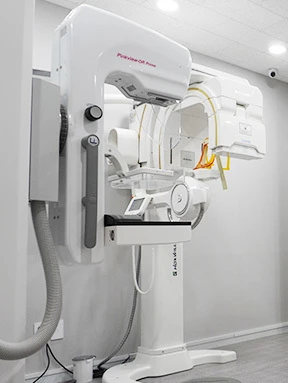
3D-CT imaging — there's more than meets the eye
3D-CT is used to check the condition of the nasal cartilage and tissue.
Highly satisfying results through 1:1 customized surgery
Surgery that also includes functional treatment of the nose
Q & A answered by NANA Plastic Surgery

Does the height decrease later after implant-free rhinoplasty?
Graft Absorption and Integration
Non-implant rhinoplasty is performed without artificial implants, using grafted tissue and dermal tissue to reshape and augment the nose. During the healing process, the grafted tissue may undergo absorption and integration with the surrounding tissue, which can result in changes in nasal height after surgery.
On average, approximately 60–70% of the grafted tissue may remain, and once the absorption process is complete, the remaining tissue is expected to be maintained semi-permanently. However, the degree of graft absorption can vary from person to person.
Is implant-free rhinoplasty only for the nasal tip?
NANA Non-Implant Rhinoplasty
NANA Plastic Surgery’s non-implant rhinoplasty uses autologous cartilage and dermal tissue instead of artificial implants such as Gore-Tex or silicone to augment and refine the nasal bridge.
Although it may seem similar to nasal tip surgery because no artificial implant is used, non-implant rhinoplasty can address the nasal bridge as well as the tip. The procedure may include correction of a dorsal hump and augmentation or refinement of the nasal bridge using the patient’s own tissue, allowing the nasal bridge and tip to be treated together for a balanced, natural-looking result
Key points of implant-free rhinoplasty at NANA Plastic Surgery
We design a natural, beautiful nose that suits your face according to your individual preferences.
01
Pursuit of naturalness

02
Movement of the nose considered

03
Customized surgery

04
Thorough aftercare

NANA Plastic Surgery's Trusted Rhinoplasty System

Personalized surgery
At NANA Plastic Surgery, personalized surgery is our principle. We design each surgery considering the condition and shape of your nose, its harmony with your face, and your personal preferences. We minimize the drawbacks and bring out only the strengths to create the most ideal nose.
Named-surgeon policy and dedicated care
We have adopted a named-surgeon policy for every operating room so that patients receive accurate, honest information about their medical team. In addition, the designated surgeon provides 1:1 personalized care from surgical planning and comprehensive examination through surgery and post-operative follow-up.

A naturally beautiful nose
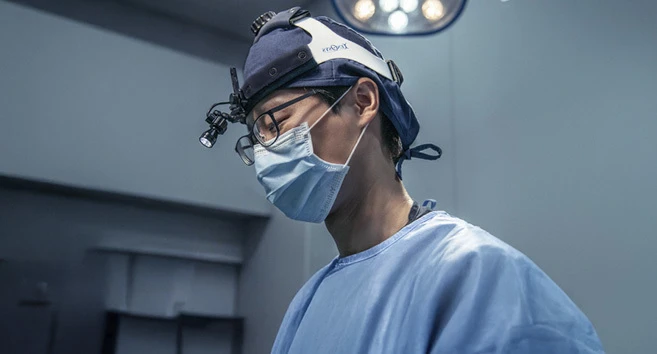
At NANA Plastic Surgery, surgery is performed with the expertise of experienced specialists so that the nose, the center of the face, is in harmony with the forehead, cheekbones, eyes, chin, and lips.
Safe and responsible post-operative care
NANA Plastic Surgery puts safety first with professional safety systems inside and outside the operating room, including a safe anesthesia system and an uninterruptible power system. We also operate a dedicated aftercare and care center for fast recovery and satisfying results after surgery.

NANA's guide to
precautions after nose surgery
01
Washing, showering & makeup
You may wash your face and wear makeup from the day after the stitches on the columella (nasal column) are removed.Until the splint and tape are removed, wipe areas other than the surgical site with a damp towel; washing your face and wearing makeup is possible from the day after the columella stitches are removed. When washing, do not rub the nose hard or apply pressure. It is best to wait one month before wearing glasses, and please avoid saunas and steam rooms for one month.
02
Recovery
Slight bleeding and nasal discharge may occur for 2–3 days after surgery.Please do not blow your nose hard for one month after surgery; after one month you may blow your nose gently.
If ear cartilage was used, pain or changes in sensation may last up to 6 months.If ear cartilage was used during surgery, you may feel pain or changes in sensation when touching the area for up to 6 months. In general, pain and altered sensation improve over time, so there is no need to worry.
03
Swelling care
Facial swelling remains for about one month after surgery.It is normal for swelling of the nose to appear asymmetrical, as the two sides may swell or subside differently. Any visible asymmetry from swelling improves over time until the swelling has fully subsided.
Apply warm/cold compresses at the appropriate times after surgery.Cold compresses are recommended for the first 3 days after surgery; they help prevent bleeding and reduce swelling. From day 4 after surgery, warm compresses are recommended for effective management of swelling and bruising.
04
Wound care
Please visit the clinic for dressing changes and removal of the splint and stitches.If there is packing inside the nose or, when ear cartilage was used, a gauze dressing behind the ear, visit the treatment room 2–3 days after surgery to have the packing and gauze removed and the area disinfected. The nasal splint and stitches are removed at the treatment room 6–7 days after surgery.
Care for the area with the prescribed ointment.Twice a day, morning and evening, clean the inside of the nose and the incision line with a cotton swab moistened with saline solution, then apply a thin layer of the prescribed ointment.
05
Alcohol & smoking
Refrain from drinking alcohol and smoking for 1 month after surgery.Alcohol and smoking adversely affect bleeding, wound healing, and infection, so we recommend avoiding them for 1 month after surgery.
06
Sleeping position
Please check the recommended sleeping positions for 3 months after surgery.For the first week after surgery, avoid bending your neck while sleeping and keep your upper body elevated so your head is higher than your heart, which helps swelling subside faster. Also, do not sleep on your side or on your stomach; sleep facing the ceiling.