NANA LIFTING

Meet a more confident, radiant you with NANA Lifting.
Experience a definite change through the meticulous techniques of our board-certified specialists.

Ponytail LiftPonytail Lift

Natural eyes, a sharper facial line
Unlike a conventional facelift, which involves stronger lifting and fixation, the Ponytail Lift gently lifts the eye area, outer corners of the eyes, and midface to create a softer, more refined appearance.

It is particularly suited for patients beginning to notice changes around the eyes and midface, helping improve a tired appearance and less-defined facial contours. The goal is to create the more lifted, refined look often seen when the hair is tied back.

A discreet incision is placed within the hairline to keep the incision area relatively limited and help minimize visible scarring. The skin and SMAS layer are lifted together to support natural-looking, longer-lasting results and a smoother return to daily activities.

  • What is the Ponytail Lift at NANA Plastic Surgery?

    Ponytail Lift gently elevates the outer eye area and midface to create a softer, more refined appearance.

    Performed through a small incision within the hairline, it lifts both the skin and SMAS layer to improve sagging and create a firmer facial contour. By considering facial proportions and natural soft-tissue movement, the procedure helps preserve natural expressions while creating a subtly lifted, more defined look similar to the effect of tying the hair back.

    What Is the Ponytail Lift at NANA Plastic Surgery?
  • Hidden incision inside the hairline

    The incision is carefully planned according to the direction and angle of hair growth to help keep it as inconspicuous as possible. Because it is placed within the hairline, the procedure is designed to minimize concerns about visible scarring and hair follicle damage while preserving a natural-looking hairline.

    The limited incision also helps reduce the recovery burden and supports a smoother return to daily activities.

    NANA Plastic Surgery’s Hidden Hairline Incision Technique for Ponytail Lift

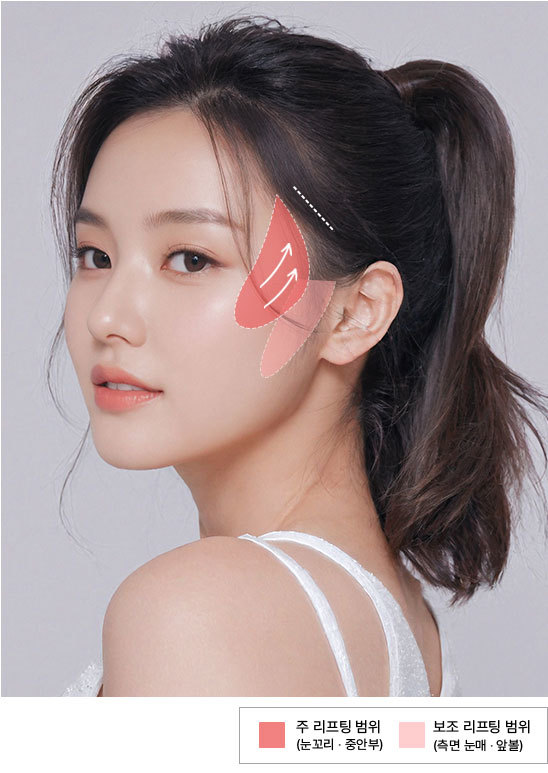
Ponytail Lift centered on the temple area

Through a minimal incision within the hairline, the eye area and midface are gently lifted to create a more defined yet soft appearance, similar to the effect of tying the hair back.

Rather than strongly pulling the entire face, the procedure focuses on precise lifting around the temple area while considering the balance between the eyes and overall facial contour.

Model showing the temple-centered Ponytail Lifting area

Ponytail Lift VS Facelift

They use different lifting methods, with differences in the incision range, lifting direction, and overall effects.

Ponytail Lift

Natural improvement of impression centered on the outer eye corners and midface

  • Lifting image
    Lifting directionOuter eye corner & midface
    diagonally upward
  • Lifting image
    Areas improvedSagging of the outer eye corner & midface
    tired-looking impression
  • Lifting image
    Surgical methodMinimal incision + endoscope
    with superior fixation
  • Lifting image
    Recovery periodAbout 5 days to 1 week
  • Lifting image
    Recommended ageEarly aging in the 20s to early 40s
    natural improvement of impression
Facelift

Overall sagging improvement centered on the lower face, jawline, and neckline

  • Lifting image
    Lifting directionJawline, lower face & neckline
    horizontal + upward
  • Lifting image
    Areas improvedDeep cheeks, jawline, nasolabial folds
    marionette lines, neckline
  • Lifting image
    Surgical methodIncision, then SMAS layer
    lift + skin excision
  • Lifting image
    Recovery periodAbout 2 weeks to 1 month or more
  • Lifting image
    Recommended ageMid-40s to 60s and over
    overall aging in progress
    improvement of moderate to severe sagging

Which Lift Is Right for Me?

NANA Plastic Surgery's customized lifting program does not simply recommend surgery by age; it considers age, gender, skin elasticity, and areas of concern together to suggest the lifting direction that suits each individual's impression and look.

  • Model showing lifting for mild sagging in the 20s and 30s, when natural elasticity care is needed
    When Natural Skin Firming Is Needed
  • Model showing lifting for changes in the eyes and jawline in the 30s to early 40s, when sagging and changes in impression begin to be a concern
    When Sagging and Changes in Facial Impression Start to Become a Concern
  • Model showing lifting to improve skin elasticity in the 40s and 50s, when loss of elasticity and changes in the facial line become pronounced
    When Loss of Firmness and Facial Contour Changes Become Noticeable
  • Model showing facial line and neckline lifting for the 50s, 60s and over, when overall aging needs to be improved
    When Overall Signs of Aging Need Improvement

Why the Ponytail Lift Is Different! Delicate Ponytail Lift centered on the temple area

Through a limited surgical approach rather than extensive dissection, the eye area and midface are gently lifted for a natural-looking result.

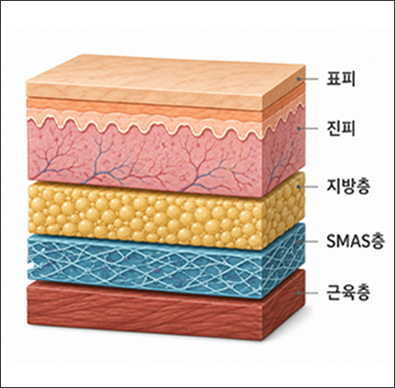
  • Graphic showing the structure beneath the skin (epidermis, dermis, fat layer, SMAS layer, muscle layer)
    SMAS-Layer Lifting
    Rather than pulling only the skin, the SMAS layer is also lifted to create a more natural-looking result.
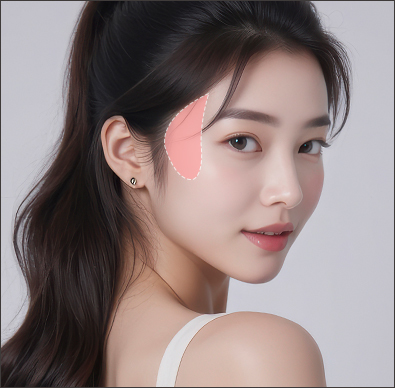
  • Illustration of the Limited Dissection Area Centered on the Model’s Temple Region
    Limited Dissection Area
    Rather than extensively dissecting the entire face, the procedure uses a limited approach focused on the temple area to reduce the overall surgical burden.
  • Precision Endoscopic Technique
    An endoscope is used to keep the incision relatively small, supporting a smoother recovery and natural-looking results.

Ponytail Lift Surgery Information

  • Surgery Time
    Surgery Time
    1 hour
  • Anesthesia
    Anesthesia
    Sedation (IV) anesthesia
  • Stitch Removal
    Stitch Removal
    1 week after surgery
  • Return to Daily Life
    Return to Daily Life
    Immediately
  • Follow-up Visits
    Follow-up Visits
    2–3 days after surgery
Natural lifting centered on the eyes and midface

What Makes NANA’sPonytail Lift Special?

  • 01.

    Natural Lifting Focused on the Eyes and MidfaceRather than strongly lifting the lower face, the procedure gently elevates the outer eye area and midface to create a softer, more refined change in overall facial impression.

  • 02.

    Incision Hidden Within the HairlineThe incision is carefully placed within the hairline to help keep it discreet. By taking the direction of hair growth into account, the technique is designed to minimize visible scarring and reduce the risk of hair follicle damage.

  • 03.

    Lifting That Follows the Natural Eye LinePerformed with precise lifting around the temple area, the procedure enhances the outer eye area and midface for a more defined yet natural look. It also considers overall facial contour and balance for a harmonious result.

  • 04.

    A Natural Lift Inspired by the Look of Tied-Back HairRather than simply pulling the tissues upward, the procedure considers the balance between the eye area and overall facial contour to create a defined yet soft appearance.

Ponytail Lift Q&A

  • A Ponytail Lift is a lifting procedure that gently elevates the outer eye area and midface to create a softer, more refined appearance.
  • Rather than strongly pulling the face like a conventional facelift, it is designed to create a subtle lifting effect similar to the look achieved when the hair is tied back.
  • The procedure is performed through a discreet incision within the hairline to help minimize visible scarring.

Recovery system benefits

  • Healite treatment - detail image
    Healite treatment
    Performed around 1 week after surgery, it can help relieve swelling and support recovery.
  • RF treatment - detail image
    RF treatment
    Performed around 4 weeks after surgery, it supports skin elasticity and tissue recovery.
  • Stem cell-based regenerative care - detail image
    Stem cell-based regenerative care
    Considering the tissue's healing environment, it can help the skin and soft tissue recover.
  • Surgeon follow-up system - detail image
    Surgeon follow-up system
    Your surgeon personally monitors your progress after surgery and provides follow-up care tailored to your individual recovery.

For a more stable and natural recovery,
NANA Plastic Surgery systematically manages the post-operative
recovery process through a premium regenerative care program.

    Aftercare Program

    NANA Plastic Surgery provides a comprehensive and systematic aftercare program.

    Lifting Aftercare Program

    • Week 2

      Healite

      Healite treatment helps improve skin tone and reduce swelling, supporting a smoother, more refined facial contour during recovery.

    • Week 4

      RF Treatment ▶ Healite ▶ Hydrating Modeling Mask ▶ Progress Check with Your Surgeon

      RF treatment reduces bruising and swelling, Healite boosts skin elasticity, and then your surgeon checks your progress.

    NANA's guide to
    precautions after Ponytail Lifting surgery

    • 01

      Washing, Showering & Makeup

      During the early recovery period after a Ponytail Lift, avoid getting the incision site within the hairline directly wet. When shampooing, wash carefully around the incision and avoid hot water or strong water pressure. Light showers and normal daily activities are generally possible, but strenuous activity should be avoided during the early stages of recovery. Please also take care not to rub, press, or otherwise irritate the surgical area.Because the Ponytail Lift focuses on the temple area, it is important to avoid rubbing or applying strong pressure to the incision site during early recovery. For a certain period after surgery, please also avoid rubbing your eyes, pulling on the face, saunas, steam rooms, and strenuous exercise.

      Temporary swelling or a feeling of tightness may occur during recovery and generally improves gradually over time.

    • 02

      Recovery

      After a Ponytail Lift, temporary swelling or bruising may occur depending on the individual and usually improves gradually over time. Because sun exposure can cause pigmentation in bruised areas, we recommend wearing a hat or applying sunscreen when outdoors.Please avoid unnecessary pressure or irritation to the face during the early recovery period.

      Activities that place strong pressure on the face, strenuous exercise, and alcohol may interfere with recovery, so these should be avoided for a certain period after surgery. Ponytail Lift is performed through a relatively small incision to support a smoother recovery and quicker return to daily activities.

    • 03

      Swelling Care

      After a Ponytail Lift, most swelling gradually improves over the first 1–2 weeks. Some residual swelling may remain depending on the individual, but it typically continues to settle over the following month. During the early recovery period, swelling may appear uneven between the two sides, and the facial contour may temporarily look or feel unfamiliar. These changes generally improve gradually as healing progresses.Immediately after surgery, the areas around the eyes and midface may appear swollen, and the facial contour may temporarily feel unfamiliar, similar to the sensation of having your hair tied back. This is a normal part of the recovery process and gradually improves as the swelling subsides.

    • 04

      Wound Care

      A small amount of blood-tinged fluid may drain from the incision site (within the hairline).A small amount of blood-tinged fluid may drain from the incision site. Most of this is residual anesthetic solution, so it is generally not a cause for concern. If fluid collects around the incision site, please apply Duoderm to the affected area.

      To help minimize scarring, you may begin using a scar ointment starting 1 month after surgery.

    • 05

      Alcohol & Smoking

      Avoid drinking alcohol and smoking for 1 month after surgery.Alcohol and smoking can increase the risk of bleeding, delayed wound healing, and infection, so we recommend avoiding both for 1 month after surgery.

    • 06

      Sleeping Position

      During the early recovery period, avoid lowering your head or putting pressure on your face. For about the first week after surgery, sleeping with your upper body slightly elevated can help reduce swelling.We also recommend sleeping on your back rather than on your side or stomach. Please avoid putting pressure on the incision site or irritating the temple area while sleeping.