
Dual Plane Plus by NANA
A technique that overcomes the limitations of the conventional dual plane method
An exclusive NANA technique developed through research to improve on the conventional dual plane method,
creating a more natural shape and a feel just like natural breasts.
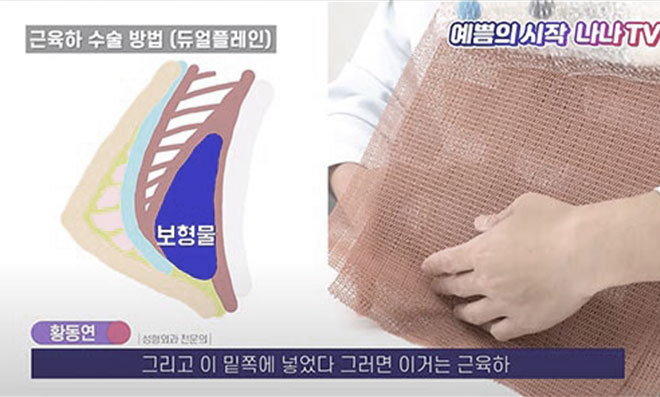 Conventional dual plane technique
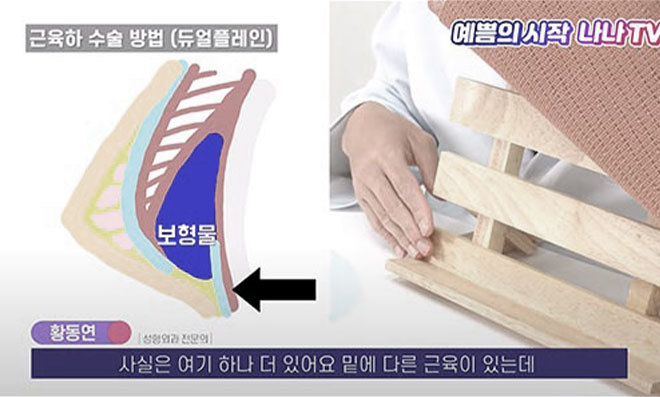 Dual Plane+, an improvement on the dual plane method
Dual Plane Plus breast surgery published in the PRS journal of the American Society of Plastic Surgeons

- CHECK POINT01
The Dual Plane Plus technique, developed by NANA's medical team who have performed countless breast surgeries over many years, was introduced in 2017 in Plastic and Reconstructive Surgery (PRS), the world's most authoritative journal of the American Society of Plastic Surgeons, in an article on a surgical method using an improved dual plane technique.
- CHECK POINT02
It is gaining attention because it wraps the implant once more with your own fascia, creating a more natural, softer breast feel.
[NANA Dual Plane Plus] trademark registered

Trademark registration 01

Trademark registration 02
- CHECK POINT01
NANA Plastic Surgery's unique technique, distinct from other brands' dual plane plus methods, is registered as a trademark.
Choosing the right breast surgery technique
When the implant is placed under the muscle
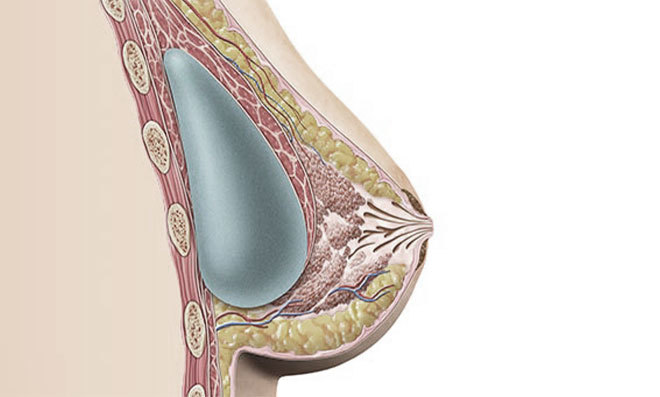
When the implant is placed under the muscle
Dual plane is also called the dual-plane technique: the upper part of the implant is covered by muscle, while the lower part is covered by breast tissue.
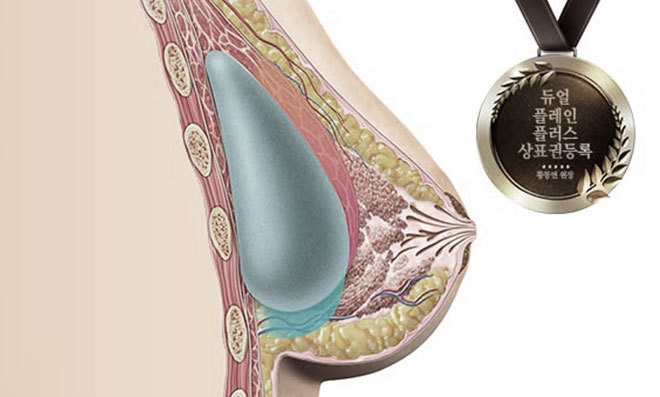
NANA Dual Plane Plus
A technique developed to further improve the conventional dual plane method. It uses the serratus muscle area to wrap the implant once more, reducing rippling (*implant folding) and making the shape and feel even more natural, soft, and undetectable.
Subfascial
When the implant is placed above the muscle
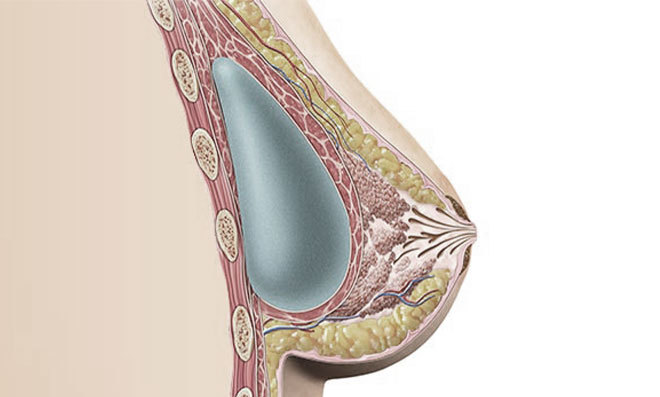
Subfascial
In the subfascial technique, only the thin but strong fascia is incised to create a pocket between the fascia and muscle for the implant. Recovery is fast, and light movement is possible without strain as the muscle moves.
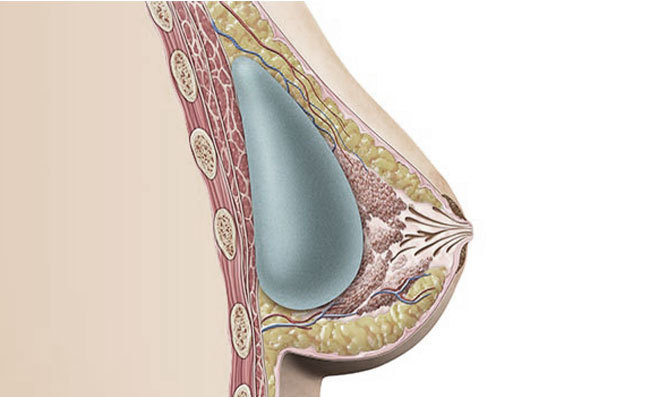
Subglandular
In this technique, the implant is placed directly under the glandular tissue. If there is little breast tissue, the shape and feel of the implant may be relatively noticeable, so it is recommended only for those who are not slim.
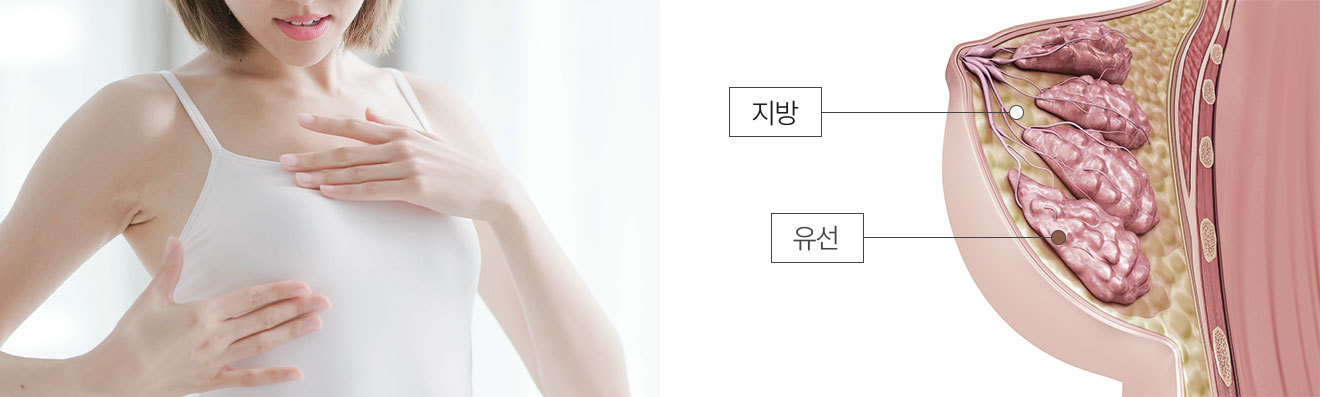
Breast structure of Asian women
- CHECK POINT01
Western women more often have fatty breasts (a thick fat layer and soft breasts), while Asian women more often have glandular breasts (more glandular tissue and firmer breasts).
- CHECK POINT02
Breasts of Asian women, including Korean women, are often glandular, but individual differences are significant, so a professional consultation before surgery is essential.
Frequently Asked Questions
- A. It is a dual plane technique in which the upper part of the implant is placed under the pectoralis major muscle and the lower part under the breast tissue.
- A. It improves on the conventional dual plane technique by wrapping the lower part of the implant once more with fascia or surrounding tissue, with rippling and feel in mind.
- A. Rippling is when folds or edges of the implant are visible through or can be felt under the skin. It may be more noticeable when the skin and fat layer are thin.
- A. It can be considered when the skin or fat layer is thin, or when you want a natural feel and line in the lower part of the implant. However, whether it is suitable depends on your individual condition.
- A. In the subfascial technique, the implant is placed between the fascia and muscle; in the subglandular technique, directly under the glandular tissue. In dual plane, the upper part is placed under the muscle and the lower part under the breast tissue.