
NANA LIFTING
Meet a more confident, radiant you with NANA Lifting.
Experience a definite change through the meticulous techniques of our board-certified specialists.
Multi-Layer Facelift
This surgery goes beyond simply removing visible wrinkles by lifting both the skin and deeper SMAS layer to improve sagging and restore firmer facial contours.
What is a facelift at NANA Plastic Surgery?
A facelift addresses the underlying causes of facial sagging by lifting both the skin and deeper SMAS layer without the use of threads or foreign materials. Rather than simply pulling the skin, it repositions sagging tissues from within to create a more youthful, natural-looking contour with longer-lasting results.

Why releasing the retaining ligaments is necessary
underlying bone and help hold facial tissues in place. As these ligaments loosen with age, the skin and fat can begin to sag.
During a facelift, releasing the retaining ligaments beneath the SMAS layer allows the tissues to be repositioned more effectively and helps support longer-lasting lifting results.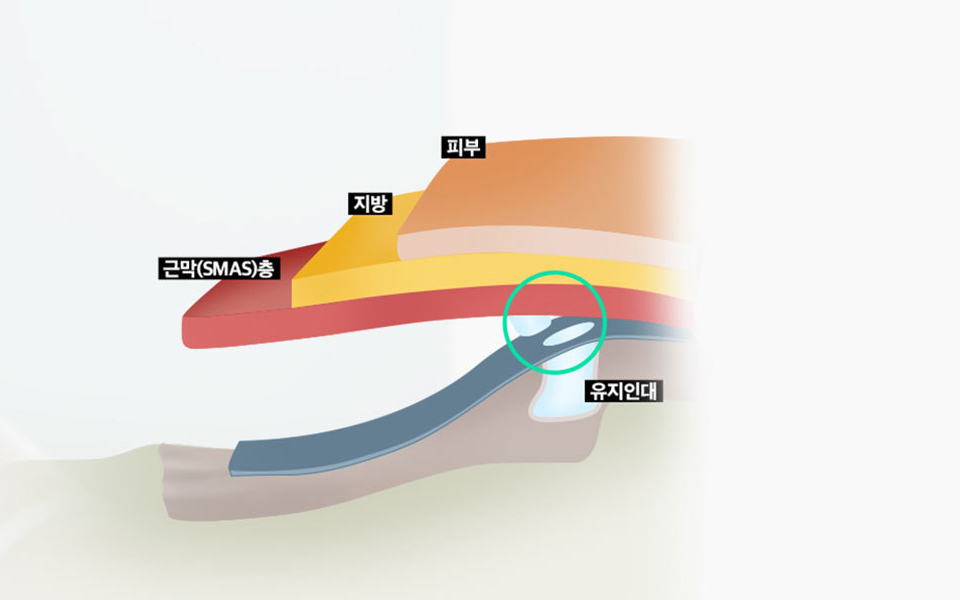
Safe dissection along the SMAS fascia layer
The face contains the SMAS layer, a thin fibrous layer between the skin and muscles, and retaining ligaments that anchor the skin and fat to the bone. As these structures weaken with age, the skin and fat begin to sag. Effective facelift surgery therefore lifts and repositions the deeper tissues—not just the skin—for a more stable, natural-looking result.


Multi-Layer Facelift surgical method at NANA Plastic Surgery
The skin and fascia (SMAS) layer are separated, each retaining ligament beneath the SMAS layer is sufficiently released, and the tissue is then lifted to its ideal position.
01
A personalized surgical plan is created through a detailed consultation and examination, based on wrinkle severity, age, and individual facial characteristics.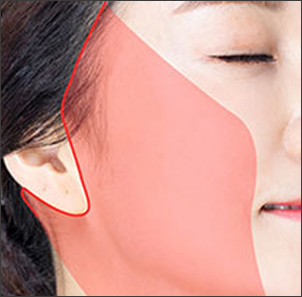
02
The incision runs from inside the hairline at the temple, along the border of the ear, to behind the ear.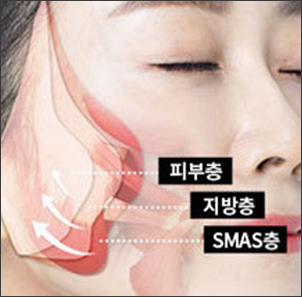
03
The skin flap is lifted, an incision is made in the fascia (SMAS) layer, the retaining ligaments are released, and the sagging SMAS layer is pulled up.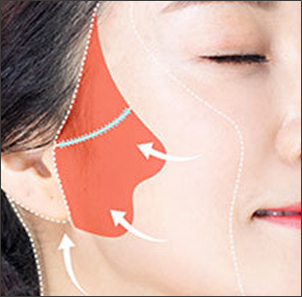
04
The sagging fascia (SMAS) layer is fixed to improve the mid and lower face, and the excess skin is removed and finished with double-layer sutures.



When a Multi-Layer Facelift is needed
at NANA Plastic Surgery
Rather than lifting the skin alone, it lifts the skin, SMAS, and deeper tissues to provide more noticeable, longer-lasting wrinkle improvement.
- 01.
Those in their 40s–50s with noticeable loss of skin elasticity and sagging beyond what is typically expected for their age.
- 02.
Those in their 60s and 70s with more advanced signs of facial aging.
- 03.
Those with more pronounced facial wrinkles and sagging, including nasolabial folds, a double chin, marionette lines, and jowls.
- 04.
Those who experience facial sagging at a younger age, such as after facial contouring surgery.
Multi-Layer Facelift Surgery Information

Surgery Time
2–3 hours
Anesthesia
Sedation (IV) anesthesia
Stitch Removal
1 week after surgery
Return to Daily Life
Immediately
Follow-up Visits
2–3 days after surgery
Why the Multi-Layer Facelift is special at NANA Plastic Surgery
We analyze each patient’s skin condition, bone structure, facial proportions, and degree of sagging to determine the most suitable surgical approach.
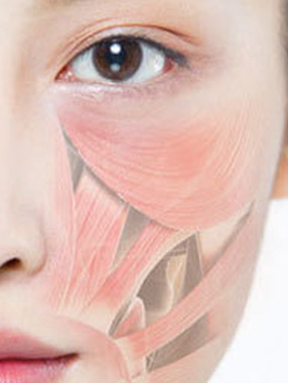
All layers at once
From the innermost fascia layer that creates sagging and wrinkles to the outer skin, each layer of tissue is lifted at the same time.
Overall wrinkle improvement
By lifting both the sagging skin and deeper muscle layers, the procedure can provide a more noticeable and comprehensive rejuvenating effect.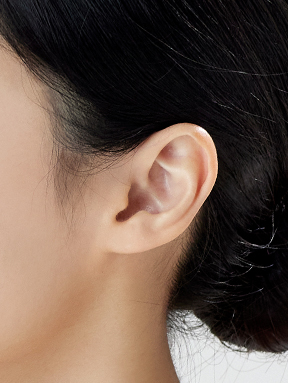
Ear shape preserved
The incision follows the natural contour from behind the sideburns to behind the ear, helping preserve the natural shape of the ear.
Precise dissection
Because the fascia (SMAS) layer and retaining ligaments are dissected precisely, the face does not become wider.
Minimal Concern About Visible Scarring
The incision is discreetly placed behind the sideburns to help conceal scarring, while post-operative care supports a smoother recovery.
Q & A answered by NANA Plastic Surgery

What exactly are retaining ligaments?
The face contains several retaining ligaments, including the orbital, zygomatic, masseteric, maxillary, and mandibular ligaments. Among these, the zygomatic and masseteric ligaments are especially associated with cheek sagging.
These strong tissues help anchor the facial soft tissue to the underlying bone. As they weaken with age, the tissues gradually descend under the effects of gravity, contributing to facial sagging.
Is there any nerve damage after surgery?
Excessive SMAS dissection can increase the risk of facial nerve injury, tissue damage, adhesions, or vascular complications, which may make revision surgery more difficult. At NANA Plastic Surgery, our surgeons use precise anatomical knowledge and extensive experience to perform careful SMAS dissection while minimizing unnecessary trauma to surrounding structures.
NANA Plastic Surgery's Trusted Lifting System
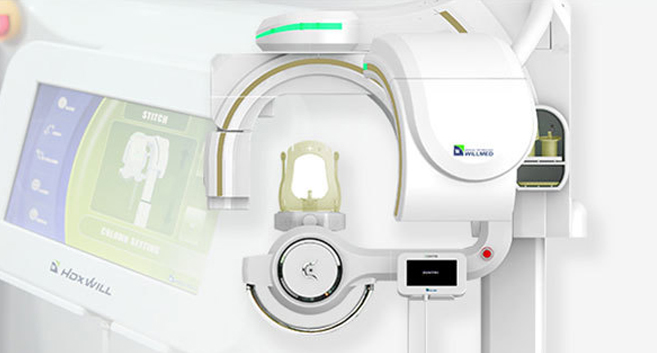
Precise Pre-Surgical Analysis with 3D CT
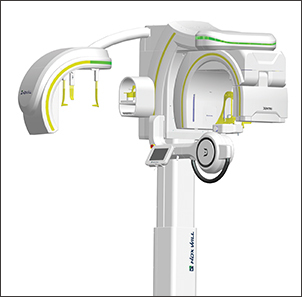
Using 3D CT before surgery, we analyze the facial bone structure, soft tissue, muscle distribution, and nerve pathways from multiple angles to create a more precise, individualized surgical plan.
Personalized surgery based on pre-surgical comprehensive examination
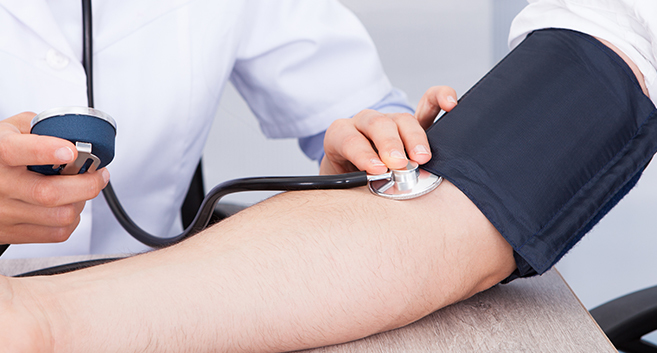
Before surgery, a comprehensive examination using advanced medical equipment helps assess each patient’s overall health and surgical suitability. Through approximately 50 nationally certified screening items, we review individual health data to support a safer, more personalized surgical plan.

Collaborative System of Specialists Across Multiple Fields
Specialists from multiple fields collaborate throughout the surgical process, bringing years of clinical experience to each case. Our dedicated surgical team focuses on patient safety, precise planning, and natural-looking results.
On-Site Board-Certified Anesthesiologist
The patient's condition is monitored in real time with an advanced monitoring system, and a board-certified anesthesiologist is dedicated 1:1 to each patient, taking responsibility for safely checking the entire process from before surgery through post-operative recovery.

Lifting Recovery Care Program
NANA Plastic Surgery provides comprehensive post-operative care to support a smooth and stable recovery. Our swelling management and recovery programs are designed to help reduce discomfort and support optimal healing after lifting surgery.
Aftercare Program
NANA Plastic Surgery runs a diverse and systematic aftercare program.
Lifting Aftercare Program
Week 2
Healite
Healite treatment helps support skin recovery, improve overall skin tone, and reduce swelling for a smoother, more refined post-operative contour.
Week 4
RF Treatment ▶ Healite ▶ Hydrating Modeling Mask ▶ Follow-Up Check with Your Surgeon
RF treatment reduces bruising and swelling, Healite boosts skin elasticity, and then your surgeon checks your progress.
NANA's guide to
precautions after facelift surgery
01
Washing, Showering & Makeup
Until the stitches are removed, gently clean areas away from the surgical site with a damp towel.Until the stitches are removed, gently clean areas away from the surgical site with a damp towel. You may shower while keeping the surgical area dry. Face washing and makeup can usually resume the day after stitch removal.
Hot and cold compresses are not recommended after surgery.Because sensation around the surgical area may be reduced, use hot or cold packs carefully to avoid burns or skin injury. For one month, avoid excessive facial massage and opening your mouth too widely.
02
Recovery
Bruising may occur after surgery and can last for 1–2 weeks, depending on the individual.Direct sunlight on bruised areas may cause pigmentation, so use a hat or sunscreen until the bruising has fully faded.
For one week after surgery, avoid excessive talking and foods that require hard chewing.Irritating or placing pressure on the surgical site may cause bleeding. Please avoid activities that increase pressure or blood pressure, such as vomiting or straining during bowel movements.
A follow-up treatment visit is scheduled 2–3 days after surgery.If a drain was placed, please return to the clinic 1–2 days after surgery for follow-up care.
03
Swelling care
Swelling gradually subsides over 3–6 months after surgery.Most major swelling subsides within about one week after surgery, while residual swelling gradually improves over 3–6 months. Temporary asymmetry is normal, as each side may swell and recover at a different rate, and typically improves as the swelling subsides.
Immediately after surgery, swelling may make the face appear temporarily uneven or bumpy.Immediately after surgery, swelling may make the face appear slightly uneven or wider, but this usually improves within 2–3 weeks.
04
Wound care
Please keep the sutured area dry and avoid getting it wet.Keep the sutured area dry. If it gets wet, remove the tape, dry the area thoroughly, and apply new tape.
05
Alcohol & smoking
Avoid alcohol and smoking for one month after surgery.Alcohol and smoking can increase the risk of bleeding, delayed wound healing, and infection, so we recommend avoiding both for one month after surgery.
06
Sleeping position
Please follow the recommended sleeping positions after surgery to support proper healing and recovery.For the first week after surgery, keep your upper body elevated with your head above your heart to help reduce swelling. Avoid bending your neck, sleeping on your side, or lying on your stomach. Sleep on your back facing upward.