
NANA BLOG
Rhinoplasty in Korea: A Natural Nose That Suits You
Contents
Rhinoplasty in Korea:
A Natural Nose That Suits You
Customizing both the shape and the function of the nose for each person, with 3D-CT analysis to design a nose line that fits your facial proportions.

A nose can look simple from the outside, but inside it is a complex structure of bone, cartilage, and soft tissue. NANA Premium Rhinoplasty is built around that reality. For anyone researching Korea plastic surgery options, the nose is one of the most requested procedures, and NANA treats it as both an aesthetic and a structural challenge. It uses 3D-CT imaging to read the nose in three dimensions and then customizes both the shape and the function of the nose, so the result is a natural line that fits the rest of your face.
Key Takeaways
- NANA Premium Rhinoplasty customizes both the shape and the function of the nose.
- Every plan begins with 3D-CT imaging of the nasal bones, septal cartilage, and skin.
- The analysis can also assess revision cases, including issues from previous fillers or silicone.
- Functional concerns like nasal congestion and a deviated septum can be addressed too.
- Surgery takes about 1 hour under general anesthesia, with no hospitalization.
A Safer, More Precise Starting Point
NANA uses 3D-CT imaging to examine the whole face and nose, so the diagnosis covers aesthetic details that a routine consultation cannot capture. The scan gives a three-dimensional read of the nasal bones, septal cartilage, and skin, including size, shape, and symmetry.
For revision surgery, it can also show the current form of the nose and any problems linked to past fillers or silicone. Functional issues such as a deviated septum can be assessed as well, so the surgical plan is both accurate and safe before anything begins.
Five Things 3D-CT Makes Possible
- A precise analysis that goes beyond what a routine examination can show.
- The presence, extent, and location of any deviation in the nasal bones is identified.
- The amount and suitability of septal cartilage for grafting is assessed, so the graft material is decided before surgery rather than during it.
- Both aesthetic concerns and functional ones, like nasal congestion and a deviated septum, are addressed together.
- This thorough assessment supports natural-looking and highly satisfying results.
NANA's Three Principles
Ideal Facial Proportions
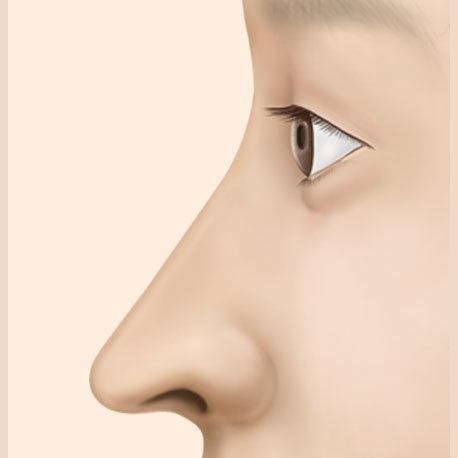
A balanced nose is symmetrical and about one-third of the face's vertical length, in harmony with the size, height, and other features of the face.
Precise Analysis and Design
Rather than simply raising the bridge, the shape and proportions of both the bridge and the tip are considered to design a nose that suits you.
1:1 Customization
Because the nose sits at the center of the face, the plan is individualized to harmonize with the forehead, cheeks, eyes, jaw, and lips.
Curious what 3D-CT would show for your nose? Send us a front and side photo and our team will review it with the doctors, with no obligation.
How NANA's Rhinoplasty Is Different
Each surgery is personalized to the individual's nasal shape and constitution, including the choice of the right implant for that person.
- Preoperative analysis. 3D-CT assesses the cartilage and tissues accurately for safer surgery, rather than judging by external appearance alone.
- Implant choice. Implants are selected to fit your individual characteristics, not just whatever is easiest to shape.
- Function as well as form. Nasal congestion and rhinitis can be treated at the same time as reshaping.
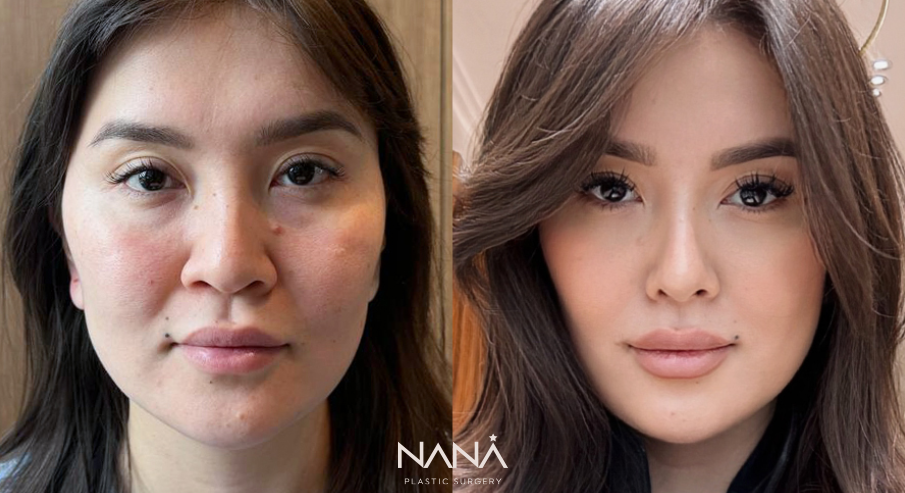
- Results. The plan is built around your facial structure and preferences, for a nasal contour that is unique to you.
Before & After
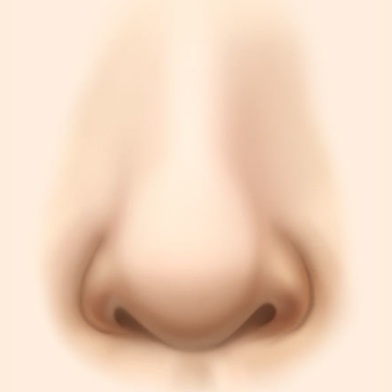
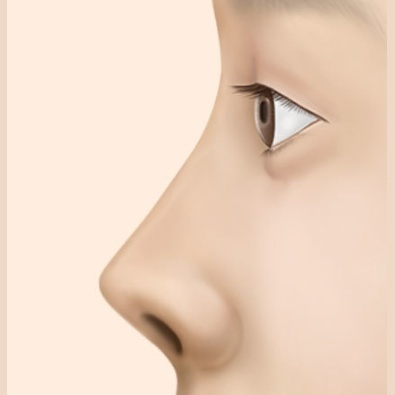
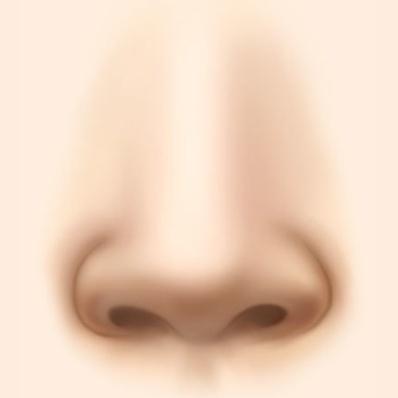
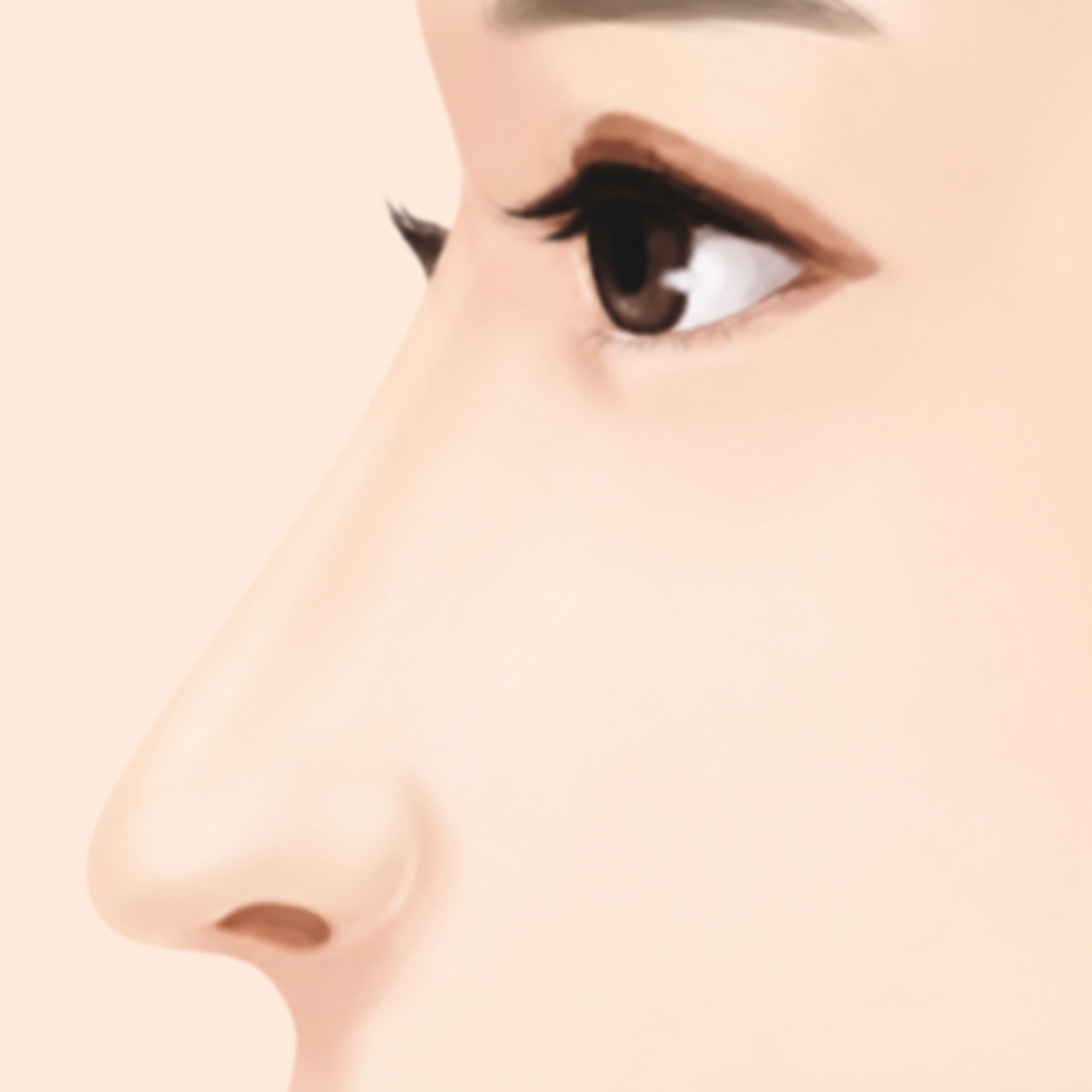
Nose Types NANA's Rhinoplasty Addresses
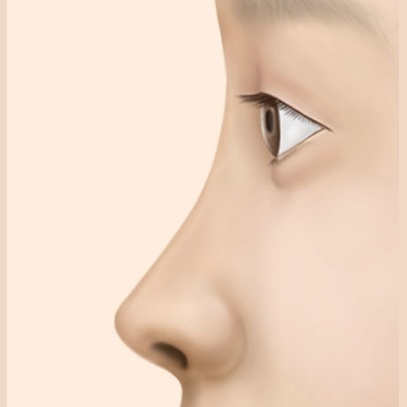
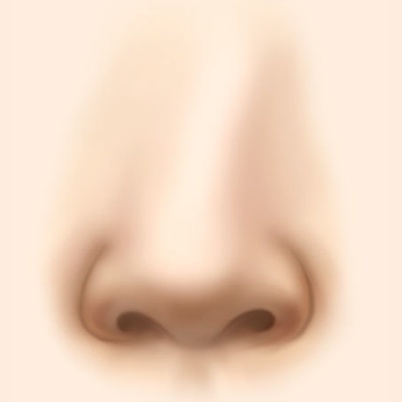
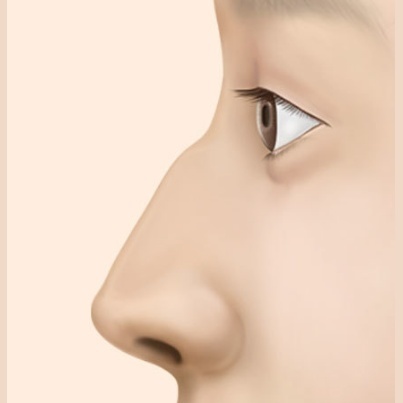
NANA designs a natural nose that suits your features. The approach is used for a range of nose types:
The Care Around Your Surgery
3D-CT Imaging Standard
3D-CT scanning is routine pre-operative practice, especially for rhinoplasty, for precise nasal analysis.
Anesthesiologist On-Site
A board-certified anesthesiologist is on-site for every procedure, with continuous monitoring.
Board-Certified Surgeons
All surgeons hold Korean Society of Plastic and Reconstructive Surgeons (KSPRS) board certification.
KHIDI-Registered
A foreign-patient receiving facility registered with KHIDI, with English medical records for international patients.
Types of Rhinoplasty
Beyond NANA Premium Rhinoplasty, several targeted procedures address specific nose concerns. Each begins with the same 3D-CT analysis to plan precise, individualized surgery.
| Procedure | Best for |
|---|---|
| Nose Bridge Enhancement | A broad or wide nasal bridge |
| Hump Reduction | A prominent hump on the mid-bridge |
| Short Nose Correction | An upturned or short nose with visible nostrils |
| Alar Reduction | Wide or flared nostrils |
| Revision Rhinoplasty | Correcting a previous nose surgery |
Nose Bridge Enhancement
For a broad nasal bridge that creates a heavy or masculine impression. The nasal bone is cut along both sides and brought inward to narrow a bulging bridge for a refined, sleeker line. Because the shape of the nasal bone and outer cartilage mainly determines bridge width, the plan is guided by 3D-CT, and if the bridge is also low, a shaping material is used to raise it.
Hump Reduction
Smooths a prominent hump on the middle of the nasal bridge for a softer, more refined profile. The protruding section is trimmed, or corrected with septoplasty for larger humps, while the nasal tip contour is balanced. When the bridge is low elsewhere, a shaping material can raise it, and autologous cartilage may be used to lift the tip.
Short Nose Correction
Lengthens an upturned or short nose, where the tip points up and the nostrils are visible from the front. The septal cartilage and nasal tip are repositioned and the inner lining and skin are extended to bring the nose into proportion, ideally about one-third of the face's vertical length, with a nose-to-lip angle near 90 to 95°. It is a demanding procedure because it extends tissue as well as reshaping it.
Alar Reduction
Gathers wide or flared nostrils for a more refined nasal tip, with the ideal ratio tailored to each face. NANA uses a triangular-flap technique rather than simply excising and suturing the skin, which helps prevent nostril collapse and reduces post-operative sinking of the sutured area. 3D-CT analysis allows both aesthetic and functional concerns to be considered.
Revision Rhinoplasty
For a previous nose surgery that needs correction. 3D-CT assesses the current form and any issues related to past fillers or silicone, so the revision plan is accurate and safe before surgery begins.
Frequently Asked Questions
What is NANA Premium Rhinoplasty?
Why is 3D-CT imaging used?
Is there a correlation between nose surgery and the treatment of rhinitis?
Is 3D-CT rhinoplasty suitable for revision cases?
What is recovery like?
Which nose types can it address?
Can I start a consultation online?
How long does the swelling last after nose surgery?
Medical Disclaimer: This article is for general informational purposes only and does not constitute medical advice. All surgical procedures carry risks, and suitability can only be determined through a personal consultation with a board-certified plastic surgeon at NANA Plastic Surgery.