Male Eye Surgerymen's eye plastic surgery
Sharp, defined eyes without a double eyelid crease—designed for a naturally masculine look.
By carefully evaluating each patient's eye structure and individual concerns, we create a personalized surgical plan to achieve a more defined, natural-looking appearance.
NANA Plastic Surgery understands the differences between men and women
Male eye surgery for natural-looking eyes Men's eyelids are different from women's. Surgery must be performed after an accurate diagnosis that takes this into account — skin thickness, fat and muscle, and eye-opening strength — in order to achieve natural masculine eyes that suit a man without looking overdone. At NANA Plastic Surgery, we strive for optimal results by considering each individual's different distance between the eyes, nose height, and brow bone condition.


NANA Plastic Surgery's Ideal Male Eyes

01
The ideal proportion between the width of each eye and the distance between the eyes is often described as a 1:1:1 ratio.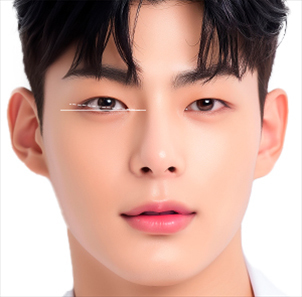
02
The outer corner of the eye should sit slightly higher than the inner corner, creating a subtle upward angle.
03
The outer corner of the eye (outer canthus) and the outer edge of the nostril should align vertically.



Why
male eye surgery is special at NANA Plastic Surgery
- 01.
1:1 dedicated medical teamOur dedicated medical team provides personalized, one-on-one care throughout your surgical journey, from your initial consultation to postoperative care and recovery.
- 02.
Highly Experienced Eye Surgery SpecialistsOur experienced eye surgery specialists personally perform each procedure, bringing years of surgical expertise to every patient.
- 03.
Personalized Surgical DesignWe create a personalized surgical plan tailored to each patient's unique facial proportions and overall facial harmony.
- 04.
NANA’s Signature Surgical TechniqueWe use NANA’s signature surgical technique, specifically tailored to the unique anatomy of male eyelids.
- 05.
Minimized Bleeding and DiscomfortOur precise, gentle surgical techniques are designed to minimize bleeding and discomfort.
Male Eye Surgery Information

Surgery Time
15–60 minutes
Anesthesia
Sedation (IV) anesthesia
Hospitalization
Not required
Stitch Removal
5–7 days after surgery (none for non-incision)
Return to Daily Life
Immediately
Follow-up Visits
1 visit — stitch removal (none for non-incision)
NANA Plastic Surgery's male eye surgery
is recommended for!
Through a personalized design, we create natural-looking eyes that look like your own, without any sign of surgery.
01
When you want bigger, more defined eyes without creating a double eyelid crease.
02
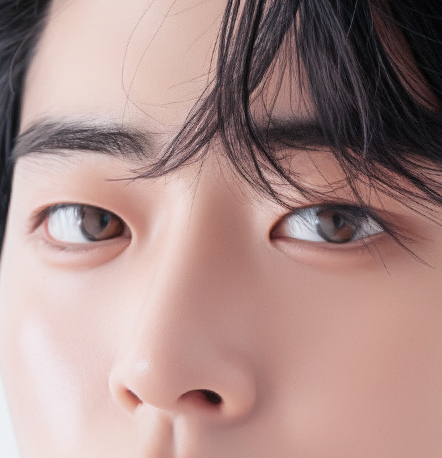
When severely drooping eyelids make it difficult to open your eyes fully.
03
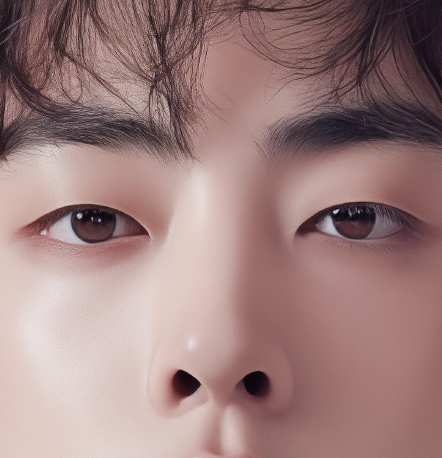
When you frequently raise your eyebrows to open your eyes, resulting in deep forehead wrinkles.
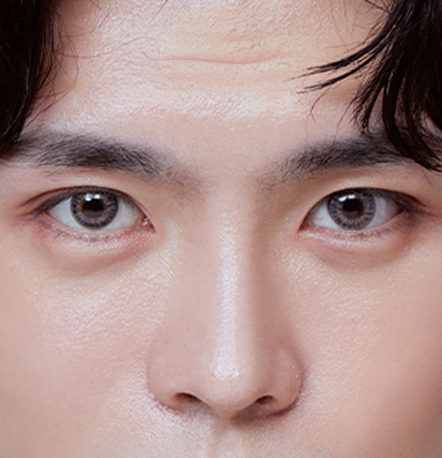
04
When weakened eyelid muscles make your eyes appear tired or sleepy.
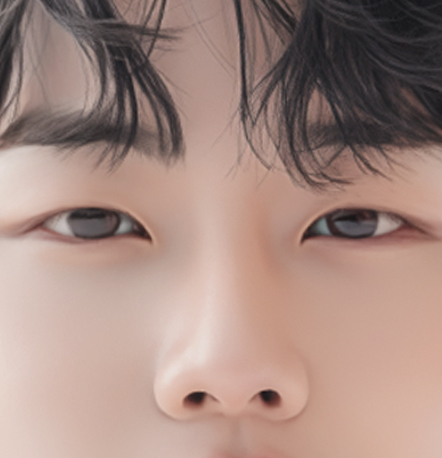
05
When your existing double eyelid crease is too high or looks unnatural.
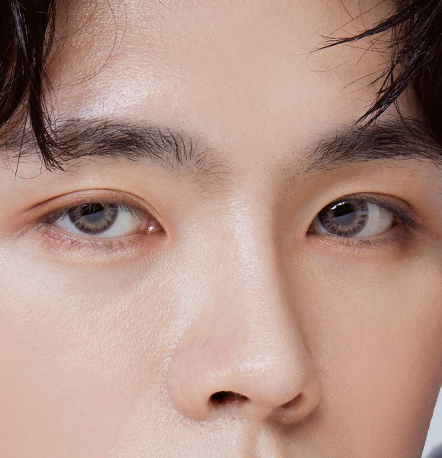
06
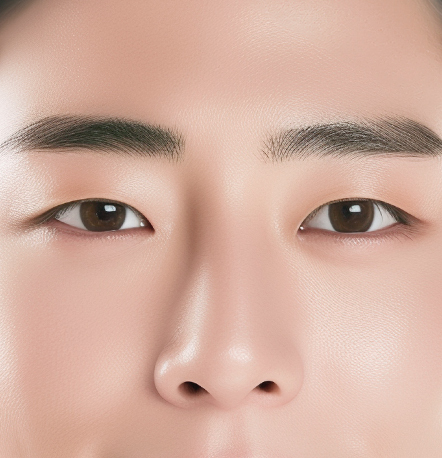
When prominent epicanthal folds make your eyes appear narrow or reduce their visible horizontal width.
NANA Plastic Surgery's
Trusted Safe Surgery System

Personalized Eye Surgery
At NANA Plastic Surgery, we design with each individual's eye condition and shape, harmony with the face, and preferences in mind, minimizing drawbacks and bringing out only the strengths to create the most ideal eyes.
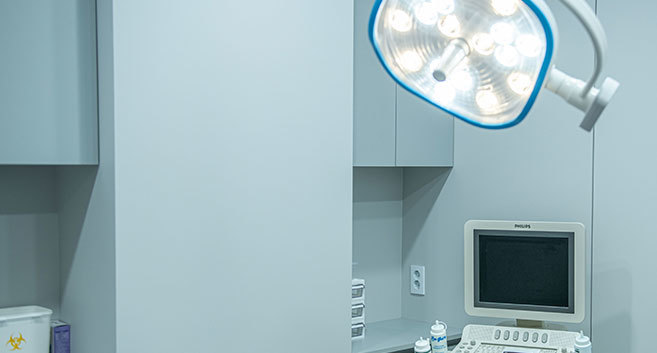
Operating Room Surgeon Identification System
NANA Plastic Surgery implements a surgeon identification policy, transparently disclosing the full name of the surgeon performing each procedure. We are committed to helping prevent potential medical complications and providing thorough post-operative care for every patient.

Naturally Bigger, More Defined Eyes
NANA Plastic Surgery pursues eyes that are large and beautiful yet natural. With the expertise of experienced specialists, we create eyes that are not only large and beautiful but also have minimal scarring and look natural in proportion to your face.
Personalized Patient Care System
At NANA Plastic Surgery, the surgeon in charge takes responsibility from consultation through surgery and follow-up care, tailored to each individual's characteristics, striving for safer, more polished surgical results.


Postoperative Care
At NANA Plastic Surgery, patient safety is our top priority. Our surgical facilities are equipped with specialized safety systems, including a comprehensive anesthesia safety system and an uninterrupted power supply system, both inside and outside the operating rooms.
We also operate a dedicated Care Center, providing comprehensive post-operative care, including recovery management and swelling care programs.
NANA's guide to
precautions after eye surgery
01
Washing, Showering & Makeup
You may wash your hair and shower starting the day after surgery, but be careful to keep the surgical area dry.Avoid straining your eyes, as this may increase the risk of bleeding or oozing from the surgical area.
Avoid wearing eye makeup or contact lenses for at least 4 weeks after surgery. Applying eye makeup may put pressure on the eyelids and affect the healing process or the shape of the double eyelid crease. Contact lenses may also irritate the eyes during recovery.
Please follow your surgeon’s specific postoperative instructions before resuming these activities.02
Recovery
Swelling or redness of the conjunctiva may occur after surgery.Conjunctival swelling (the conjunctiva appears white and swollen) or redness may occur after surgery. These symptoms resolve naturally within 2–4 weeks and are common after surgery, so there is no need to worry. A temporary increase in tearing or eye discharge is also a common reaction after surgery and improves over time.
03
Swelling Management
Swelling gradually subsides over 3–6 months after surgery.It is normal for swelling to be uneven after surgery, as each side may swell and heal at a different rate. Any visible asymmetry caused by swelling should gradually improve as the swelling subsides.
Use cold and warm compresses at the recommended times after surgery to help manage swelling and bruising.Cold compresses are recommended for the first 3 days after surgery to help reduce swelling and minimize the risk of bleeding. Starting on day 4, warm compresses may help improve circulation and gradually reduce swelling and bruising.
04
Wound Care
Care for the area with eye ointment and eye drops.Using a clean cotton swab, gently apply a thin layer of the prescribed eye ointment to the surgical area twice daily, once in the morning and once in the evening. If eye drops have been prescribed, apply them as directed, typically 2–3 times a day.
Small white bumps called milia may develop along the incision line after surgery.Small, white, pearl-like bumps called milia may develop along the incision line after surgery. These typically resolve on their own over time. However, if they persist for more than 3 months, they can be evaluated and, if appropriate, removed at the clinic.
05
Alcohol & Smoking
Avoid drinking alcohol and smoking for at least one month after surgery to support proper healing and recovery.Alcohol consumption and smoking can increase the risk of bleeding, delay wound healing, and raise the risk of infection. For these reasons, we recommend avoiding both for at least one month after surgery.
06
Sleeping Position
Please follow the recommended sleeping position guidelines for the first 3 months after surgery.For the first week after surgery, sleep on your back with your head and upper body slightly elevated above heart level to help reduce swelling. Avoid bending your neck excessively or sleeping on your side or stomach during this period.