NANA Rhinoplasty
Personalized Rhinoplasty for Natural, Balanced Results!
Enhance Your Look with NANA Plastic Surgery
Hump Nose
Hump nose correction is a procedure that corrects a prominent mid-bridge of the nose that can create a strong appearance.
NANA Plastic Surgery’s Hump Nose Surgery Technique
Based on years of extensive surgical experience, NANA Plastic Surgery carefully performs procedures even in complex and challenging areas.
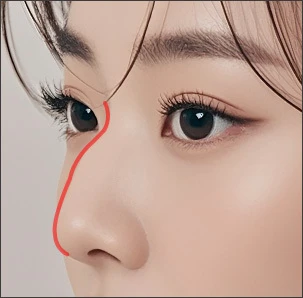
Before Surgery
After a 3D CT scan, you will have a detailed consultation with a specialist to discuss the surgical approach and treatment plan.
Hump Removal
Depending on the degree of the hump, the protruding area may be shaved down or the nasal bones may be repositioned through osteotomy for correction.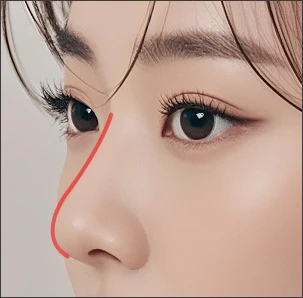
Height Adjustment
The lowered nasal bridge is raised using an implant, and if needed, autologous cartilage may also be used to enhance the nasal tip.
Smooth Nasal Line
Helps soften a strong or harsh appearance by creating a more defined, refined nasal shape.



Hump Nose Correction by Type
Surgical Methods
- 01.
For a High Nasal Bridge and TipWhen the nasal bridge and tip are high but a nasal hump is present, the hump is removed through an incision inside the nose.
- 02.
For a Low Nasal Bridge and High Nasal TipWhen the nasal bridge is low and the nasal tip is high, the hump is removed through an incision inside the nose, and an implant is then used to raise and smooth the nasal bridge.
- 03.
For a High Nasal Bridge and Low Nasal TipWhen the nasal bridge is high but the nasal tip is low, the hump is removed through an incision inside the nose, and autologous cartilage is used to raise the nasal tip for a more refined nasal shape.
- 04.
For a Low Nasal Bridge and Low Nasal TipWhen both the nasal bridge and tip are low, the hump is removed first. Autologous cartilage is then used to raise the nasal tip, while an implant is placed in the bridge to create a more defined and smooth nasal profile.
Hump Nose Surgery Information

Surgery Time
1 Hour
Anesthesia
Sedation (IV) anesthesia
Hospitalization
Not required
Stitch Removal
5–7 days after surgery
Return to Daily Life
After stitch removal
Follow-up Visits
About 2 visits
What Makes NANA Plastic Surgery’s Hump Nose Correction Special
Creating a Nose That Best Suits Your Face Through Personalized Rhinoplasty

Personalized Surgery Based on the Degree of the Nasal Hump
Small incisions around the nostrils help minimize visible scarring.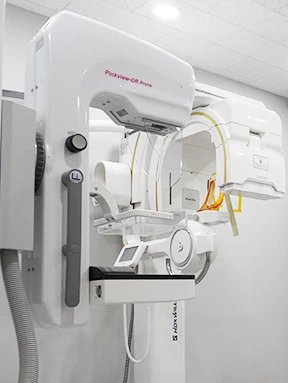
Precise 3D-CT Imaging for Areas Not Visible from the Outside
3D-CT imaging is used to assess the condition of the nasal cartilage and surrounding tissues.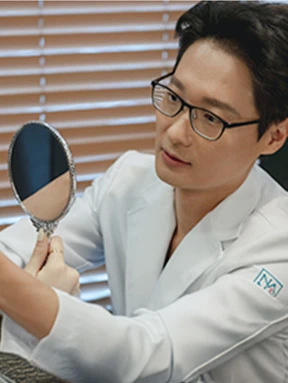
Highly satisfying results through 1:1 customized surgery
A personalized surgical approach and plan are developed based on each patient’s overall facial harmony.
Improves the overall facial impression by reducing the nasal hump
Helps soften a sharp or strong appearance for a gentler overall look.
NANA Plastic Surgery Answers Your Q&A

Can I raise only the nasal tip to match the height of the hump?
Because a nasal hump is significantly higher than the surrounding areas, raising only the nasal tip to match that height can result in an overly high tip that may look unnatural or out of balance with typical East Asian facial proportions.
For a more harmonious result, it is generally better to first smooth the hump slightly and then refine the overall nasal shape using an implant or autologous tissue, depending on the individual case.
Does a hump nose always require osteotomy?
Osteotomy is not always necessary.
In fact, excessive osteotomy can open the roof-like structure of the nose, which may increase the risk of structural changes or inflammation.
If the hump is relatively small or mainly consists of cartilage, it may be corrected by carefully shaving down the prominent area instead.
Hump Nose Types and Key Features
Recommended for Those Who:
We design a natural, balanced, and beautiful nose tailored to your facial features and personal preferences.
01
Natural-Looking Results

02
Consideration of Nasal Movement

03
Personalized Surgery

04
Comprehensive Post-Operative Care

NANA Plastic Surgery's trusted rhinoplasty system

Personalized surgery
At NANA Plastic Surgery, personalized surgery is our principle. We design your nose considering its condition and shape, harmony with your face, and your personal preferences. We minimize weaknesses and enhance strengths to create the most ideal nose for you.
Surgeon identification and dedicated responsibility system
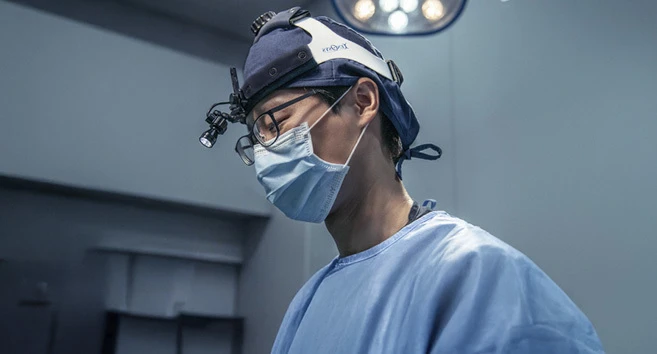
With our operating room surgeon-identification system, we honestly provide accurate information about your medical team, so you can trust us. In addition, from surgical planning and comprehensive check-ups to surgery and post-op care, a designated medical team provides 1:1 personalized care.

A naturally beautiful nose
At NANA Plastic Surgery, experienced specialists perform surgery so that the nose, the center of the face, is in harmony with the forehead, cheekbones, eyes, chin, and lips.
Safe and responsible post-op care
NANA Plastic Surgery puts safety first, with specialized safety systems inside and outside the operating room, such as our safe anesthesia system and uninterruptible power system. We also operate a professional aftercare center for fast recovery and satisfying results.

Precautions after rhinoplasty
from NANA
01
Face washing, showering & makeup
You may wash your face and wear makeup starting the day after the stitches on the columella are removed.Until the splint and tape are removed, clean areas other than the surgical site with a damp towel; you may wash your face and wear makeup starting the day after the columella stitches are removed. When washing your face, do not rub the nose area hard or apply pressure. It is best to wear glasses only after one month, and please avoid saunas and jjimjilbang (Korean spas) for one month.
02
Recovery progress
Slight bleeding and a runny nose may occur for 2–3 days after surgery.Please do not blow your nose hard for one month after surgery; gentle nose-blowing is possible after one month.
If ear cartilage was used, pain or changes in sensation may last up to 6 months.If ear cartilage was used, you may feel pain or changes in sensation when touching the area for up to 6 months. In most cases, pain and abnormal sensation improve over time, so there is no need to worry.
03
Swelling care
Facial swelling remains for about one month after surgery.It is common for the two sides of the nose to swell or subside differently, making the nose look asymmetrical. This asymmetric swelling improves over time until the swelling has fully subsided.
Apply warm/cold compresses at the appropriate times after surgery.Cold compresses are recommended for up to 3 days after surgery. They help prevent bleeding and reduce swelling. From day 4 after surgery, warm compresses are recommended for effective swelling and bruise management.
04
Wound care
Please visit the clinic for dressing changes and splint and stitch removal.If there is cotton packing in the nose or, when ear cartilage was used, gauze dressing behind the ear, visit the treatment room on day 2–3 after surgery to have the cotton and gauze removed and the area disinfected. The nasal splint and stitches are removed at the treatment room 6–7 days after surgery.
Care for the area with the prescribed ointment.After surgery, twice a day (morning and evening), clean the inside of the nose and the incision line with a cotton swab dipped in saline, then apply a thin layer of the prescribed ointment.
05
Drinking & smoking
Avoid drinking and smoking for one month after surgery.Drinking and smoking negatively affect bleeding, wound healing, and infection, so we recommend avoiding them for one month after surgery.
06
Sleeping position
Please check the sleeping positions allowed for 3 months after surgery.For up to one week after surgery, keep your neck from bending while sleeping, and keep your upper body elevated so that your head is higher than your heart—this helps swelling subside faster. Also, do not sleep on your side or stomach; sleep facing the ceiling.