Forever Care Services
Safe Anesthesia System
Safe Anesthesia System
Preventing Anesthesia Incidents
At NANA Breast Clinic, a dedicated breast anesthesia team of eight board-certified anesthesiologists
and specialized nurses is on site at all times, doing everything possible
to ensure the safety of each and every patient.
 Board-Certified AnesthesiologistDr. Kyoung Moon Ki
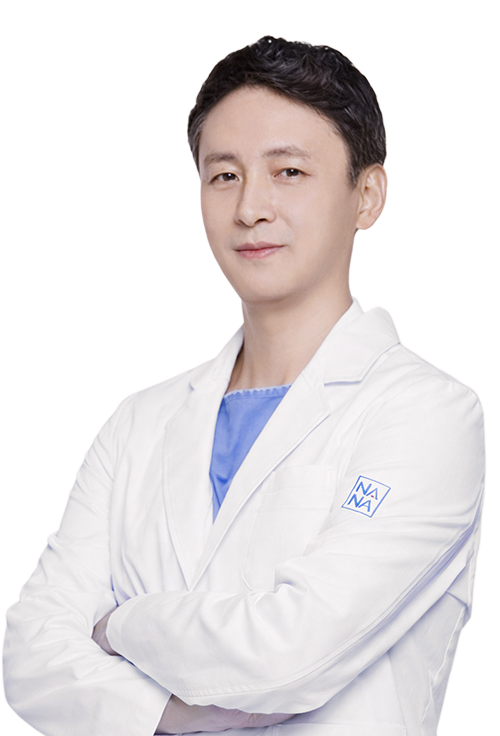 Board-Certified AnesthesiologistDr. Kim Young Tae
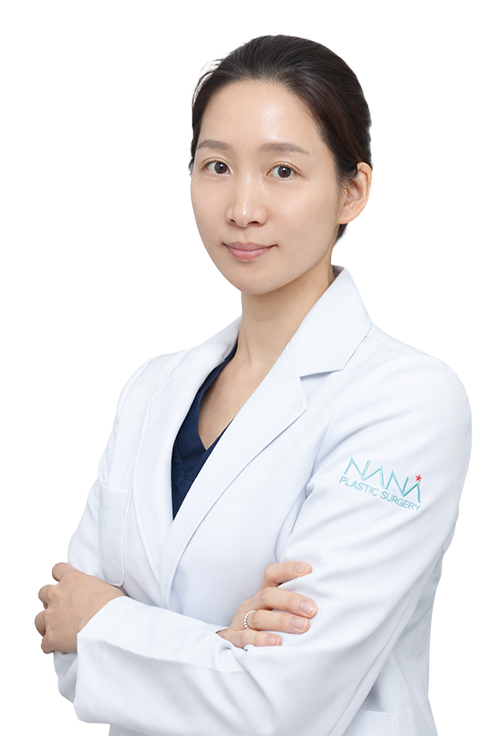 Board-Certified AnesthesiologistDr. Kim Hye Lim
 Board-Certified AnesthesiologistDr. Park Yeon Su
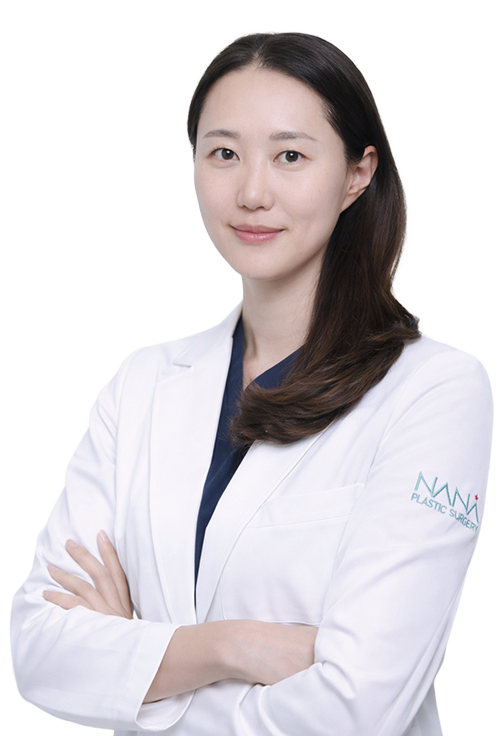 Board-Certified AnesthesiologistDr. Park Jung Eun
 Board-Certified AnesthesiologistDr. Oh Yoo Min
 Board-Certified AnesthesiologistDr. Yoo Eun Kyung
 Board-Certified AnesthesiologistDr. Im Seon Min
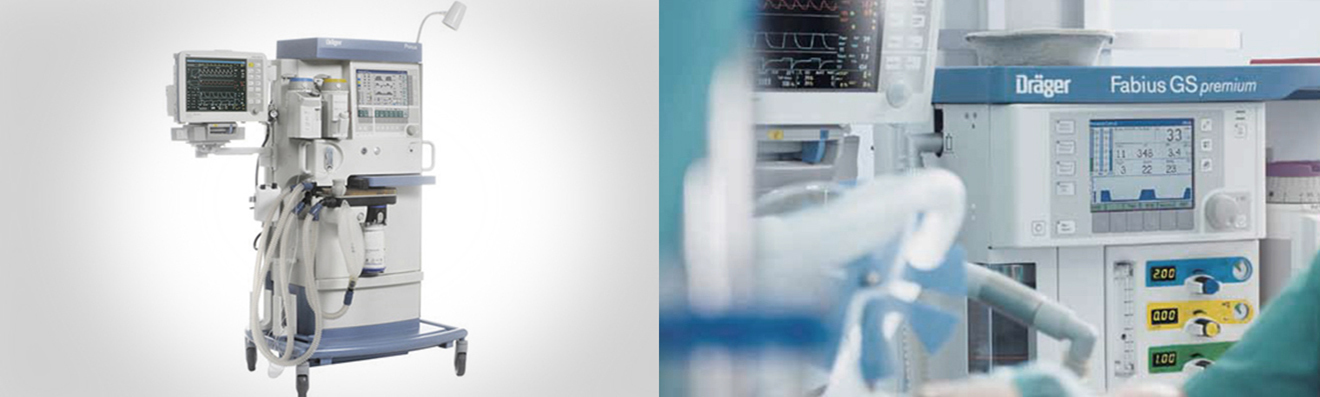
Anesthesia Machines and Monitoring Equipment at NANA Breast Clinic
- CHECK POINT01
Surgery requires anesthesia of sufficient depth, and to achieve this it is essential to monitor the patient and maintain anesthesia through multiple safety systems. NANA Breast Clinic uses high-end anesthesia machines and monitoring equipment to ensure the highest level of safety.
- CHECK POINT02
We use high-end anesthesia machines from Dräger (Germany), a premium brand used in university hospitals, and carry out thorough monitoring throughout surgery. With Dräger filters and HME products, anesthesia is performed in a cleaner, infection-free environment.
Breast surgery is performed under general anesthesia as standard.
Standard Anesthesia
- Blood pressure
- Pulse
- Oxygen saturation
Anesthesia at NANA Plastic Surgery
- Blood pressure
- Pulse
- Oxygen saturation
- Anesthesia equipment that monitors CO₂ levelsChecks that the patient is breathing normally
- Checks that the anesthesia machine delivers a consistent gas concentrationPrevents side effects caused by anesthetic gas within the machine
 CHECK POINT 01
Surgery must be performed while the patient does not respond to external stimuli and maintains appropriate vital signs.
- CHECK POINT 02
During surgery, blood pressure, pulse, body temperature, oxygen saturation, and end-tidal carbon dioxide (EtCO₂) must always be checked.
We continuously monitor every patient until recovery after surgery is complete.
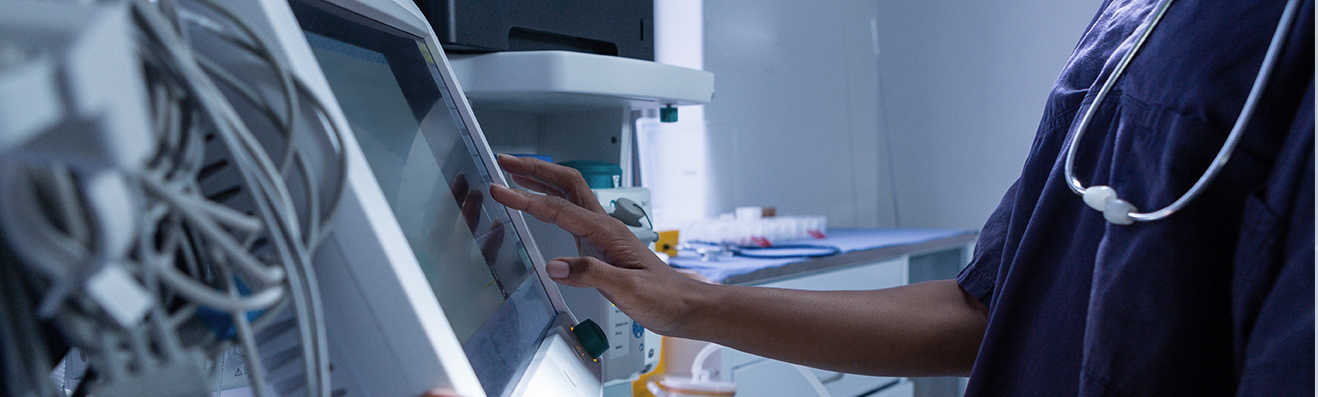
- CHECK POINT01
Oxygen Saturation Monitoring
Blood oxygen levels (normal range: 95–100%) are checked continuously to confirm that adequate oxygen is supplied during anesthesia. - CHECK POINT02
Blood Pressure Monitoring
Blood pressure that is too high can cause bleeding, while blood pressure that is too low can delay recovery, so maintaining appropriate blood pressure during surgery is important. - CHECK POINT03
Pulse Monitoring
By blocking stimuli and finely adjusting the depth of anesthesia, a normal pulse range can be maintained stably throughout surgery. - CHECK POINT04
End-Tidal CO₂ Monitoring
End-tidal carbon dioxide pressure is measured to confirm that anesthesia and breathing are being properly maintained. - CHECK POINT05
Anesthetic Gas Concentration Monitoring
By confirming that the anesthetic gas concentration remains consistent, we make sure surgery proceeds under stable anesthesia.
Constant Monitoring and Thorough Preparedness
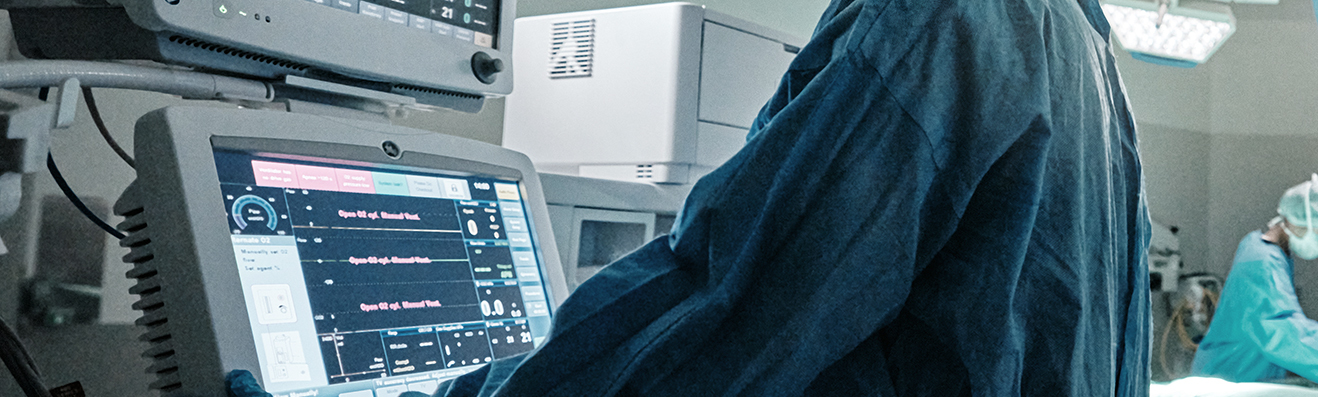
- CHECK POINT01
NANA Breast Clinic monitors patients continuously so that even the possibility of very rare side effects can be detected early.
- CHECK POINT02
Malignant hyperthermia can occur very rarely during anesthesia, but NANA Breast Clinic keeps dantrolene, the drug used to treat it, on hand to be prepared for any potential risk.
Frequently Asked Questions
- A. Yes. After breast augmentation, regular breast ultrasound check-ups are recommended to monitor the condition of the implants and changes in breast tissue. An ultrasound helps check implant position, rupture, and overall breast health.
- A. It varies depending on each person's condition, but in general it is best to check the condition of your implants through regular post-surgery check-ups. Regular check-ups help detect implant displacement, capsular contracture, and possible rupture early.
- A. No. Even after breast augmentation, your breast health can be checked through various screenings such as breast ultrasound and mammography. However, it is important to let your medical team know that you have implants so the right screening method can be chosen.
- A. Yes. Even if you had breast augmentation at another clinic, NANA Breast Clinic can check your implants and perform breast ultrasound and breast health screenings.
- A. Breast augmentation does not end with surgery—over time, changes can occur in the implants and breast tissue. Checking implant safety and breast health through regular check-ups helps you keep your breasts healthy and beautiful for longer.