
nana under-eye fat repositioning
By repositioning the tissue beneath the lower eyelids where sagging or bulging may occur, the procedure helps improve a tired or shadowed appearance.
With a personalized approach that takes into consideration factors such as age, the amount of under-eye fat, and skin elasticity, we aim to create a cleaner, brighter, and more refreshed appearance.
Under-Eye Fat Repositioningunder-eye fat repositioning
By repositioning the tissue beneath the lower eyelids where sagging or bulging may occur, the procedure helps improve a tired or shadowed appearance.
With a personalized approach that takes into consideration factors such as age, the amount of under-eye fat, and skin elasticity, we aim to create a cleaner, brighter, and more refreshed appearance.
Under-eye fat repositioning at NANA Plastic Surgery
A youthful look is completed with a bright under-eye area
Under-eye fat repositioning is a surgical procedure designed to improve a tired and shadowed appearance caused by bulging under-eye fat. To address under-eye puffiness and laxity, excess fat can be removed and repositioned through the conjunctiva, helping create a smoother, more youthful-looking under-eye contour.
At NANA Plastic Surgery, our eye surgery specialists provide an accurate assessment of each patient’s individual condition and apply NANA’s specialized surgical techniques to help achieve a more balanced and natural-looking result.
Under-eye fat repositioning at NANA Plastic Surgery
The key is repositioning, not just fat removal NANA Plastic Surgery's under-eye fat repositioning reduces bulging fat and fills hollow areas to improve under-eye problems. Rather than simply removing or adding fat, it is important to utilize and reposition the existing under-eye fat.


Various under-eye surgical methods at NANA Plastic Surgery
Under-eye fat causes wrinkles regardless of age; the surgical method is determined by the amount and distribution of fat and wrinkles, and is performed through an incision in the inner conjunctiva.
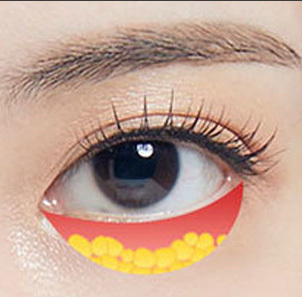
Under-eye fat repositioning
The bulging under-eye fat disappears while the original aegyo-sal (under-eye roll) and hollow tear trough are filled, improving dark circles.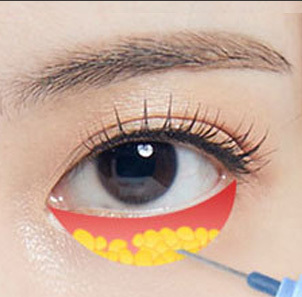
Under-eye fat removal
When dark circles are not severe but under-eye fat protrusion alone is pronounced, only the under-eye fat is simply removed.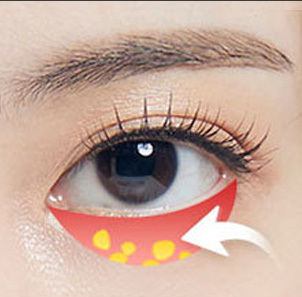
Under-eye fat grafting
Performed together with under-eye fat repositioning when there is not enough under-eye fat to reposition or there is a general lack of volume.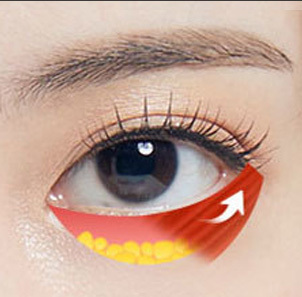
Lower blepharoplasty
When there are dark circles along with severe skin sagging and wrinkles, under-eye lifting and removal of sagging skin are performed together with under-eye fat repositioning.



When
under-eye fat repositioning is needed at NANA Plastic Surgery
- 01.
Dark circlesWhen you look tired due to dark circles under the eyes
- 02.
Fat protrusionWhen under-eye fat bulges outward
- 03.
Sagging under-eye areaWhen a sagging under-eye area makes you look older
- 04.
Lack of fatWhen the under-eye area is hollow or lacks fat
Under-Eye Fat Repositioning Surgery Information

Surgery Time
30–40 minutes
Anesthesia
Sedation (IV) anesthesia
Hospitalization
Not required
Stitch Removal
After 7 days
Return to Daily Life
After 1 day
Follow-up Visits
None
Why under-eye fat repositioning is special at NANA Plastic Surgery
NANA's under-eye fat repositioning performs customized surgery suited to each cause, completing bright, firm, youthful eyes.

Bright, clean, youthful eyes
The uneven under-eye area is improved and dark circles are removed, completing a youthful image.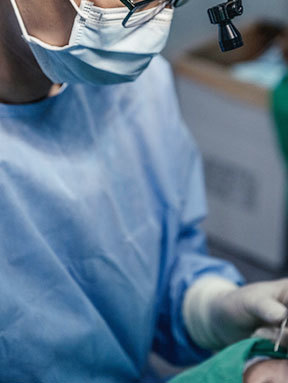
Precise surgery to minimize tissue damage
Precise analysis and delicate surgical instruments and techniques minimize tissue damage.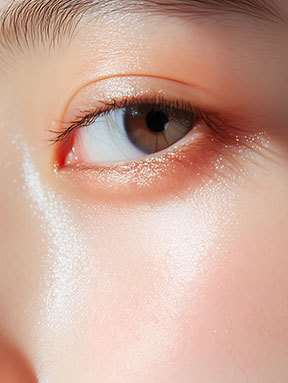
Customized design for harmonious eyes
We complete harmonious, balanced eyes that consider the individual's facial proportions and characteristics.
Years of expertise from a dedicated eye surgery team
Highly experienced and skilled specialists perform one-on-one customized surgery.
NANA Plastic Surgery's meticulous post-surgery care
Attentive post-surgery care supports a satisfying recovery.
Q & A answered by NANA Plastic Surgery

How do I tell the difference between aegyo-sal and sagging under-eye fat?
The area directly beneath the eyes that becomes more prominent when smiling is known as aegyo-sal, or natural under-eye fullness. In contrast, sagging or bulging tissue located below this area is commonly referred to as under-eye fat.
Unlike aegyo-sal, which can give the eyes a youthful and charming appearance, excess or bulging under-eye fat may accentuate dark circles and create a tired, shadowed, or aged appearance.
NANA Plastic Surgery's eye surgery One-day surgery, done in a single day
We correct your eyes more accurately and delicately, with a customized eye shape that suits your face.
01
Visit NANA Plastic Surgery.
02
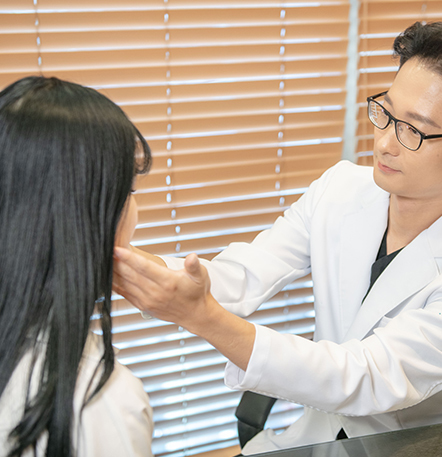
Consult with an eye surgery specialist and design the line.
03
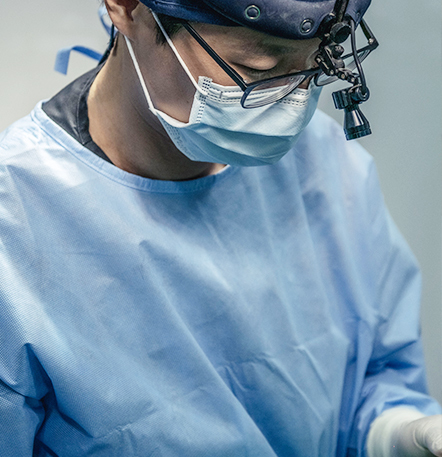
Surgery is performed safely and meticulously.
04
Return to daily life immediately after recovery.

NANA Plastic Surgery's Trusted Safe Surgery System

Personalized eye surgery
At NANA Plastic Surgery, we design with each individual's eye condition and shape, harmony with the face, and preferences in mind, minimizing drawbacks and bringing out only the strengths to create the most ideal eyes.
Named-surgeon policy
NANA Plastic Surgery operates a named-surgeon policy, transparently disclosing the name of the operating surgeon, and strives to prevent any possible medical accidents and to manage patients' post-operative care.

Naturally large, beautiful eyes
NANA Plastic Surgery pursues eyes that are large and beautiful yet natural. With the expertise of experienced specialists, we create eyes that are not only large and beautiful but also have minimal scarring and look natural in proportion to your face.
Dedicated care system
At NANA Plastic Surgery, the surgeon in charge takes responsibility from consultation through surgery and follow-up care, tailored to each individual's characteristics, striving for safer, more polished surgical results.


Post-surgery care
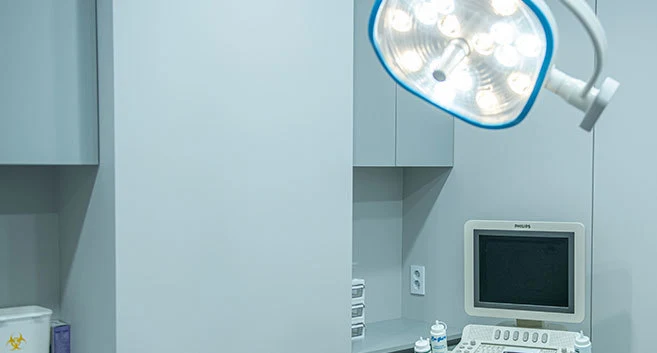
At NANA Plastic Surgery, patient safety is our top priority. Our surgical facilities are equipped with specialized safety systems, including an advanced anesthesia safety system and an uninterrupted power supply system, both inside and outside the operating rooms.
We also operate a dedicated Care Center, providing comprehensive post-operative care, including recovery management and swelling care, to support patients throughout their recovery.
NANA's guide to
precautions after eye surgery
01
Washing, showering & makeup
Washing your hair and showering are possible from the day after surgery, but be careful not to let water touch the wound.Please be careful, as straining your eyes may cause pooled blood to come out. Eye makeup and contact lenses are possible after 4 weeks. To prevent the double eyelid from loosening or changing shape, avoid eye makeup for one month, and contact lenses, which can irritate the conjunctiva, can be worn after one month.
02
Recovery
Conjunctival swelling or redness may occur after surgery.Conjunctival swelling (the conjunctiva appears white and swollen) or redness may occur after surgery. These symptoms resolve naturally within 2–4 weeks and are common after surgery, so there is no need to worry. A temporary increase in tearing or eye discharge is also a common reaction after surgery and improves over time.
03
Swelling care
Swelling subsides over 3–6 months after surgery.It is normal for swelling to appear asymmetrical, as the two sides may swell or subside differently. Any visible asymmetry from swelling improves over time until the swelling has fully subsided.
Apply warm/cold compresses at the appropriate times after surgery.Cold compresses are recommended for the first 3 days after surgery while the face is swollen. They help prevent bleeding and reduce swelling. From day 4 after surgery, warm compresses are recommended for effective management of swelling and bruising.
04
Wound care
Care for the area with eye ointment and eye drops.Apply a thin layer of eye ointment to the surgical site morning and evening using a clean cotton swab. If you were prescribed eye drops, apply them to the conjunctiva 2–3 times a day. Milia may form along the incision line after surgery. Small white milia the size of millet grains may form along the incision line after surgery, but they disappear naturally over time. However, if they have not disappeared after 3 months, they can be simply removed at the clinic depending on their condition.
05
Alcohol & smoking
Refrain from drinking alcohol and smoking for 1 month after surgery.Alcohol and smoking adversely affect bleeding, wound healing, and infection, so we recommend avoiding them for 1 month after surgery.
06
Sleeping position
Please check the recommended sleeping positions for 3 months after surgery.For the first week after surgery, avoid bending your neck while sleeping and keep your upper body elevated so your head is higher than your heart, which helps swelling subside faster. Also, do not sleep on your side or on your stomach; sleep facing the ceiling.